Core Focus: Basic classification of underwater connectors, material & manufacturing processes, and challenges for full-ocean-depth applications.
Summary:
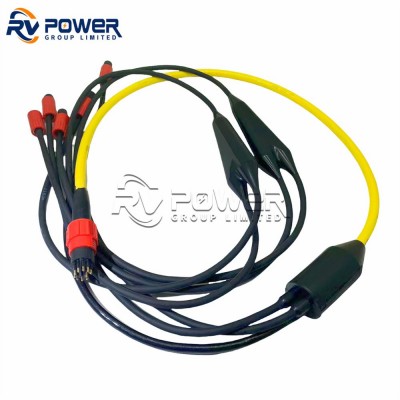
This article elaborates on the technical differences among three mating modes: dry-mate (mated on land or inside surface chambers before submergence), wet-mate (mated directly underwater by divers or ROVs), and general underwater mating.
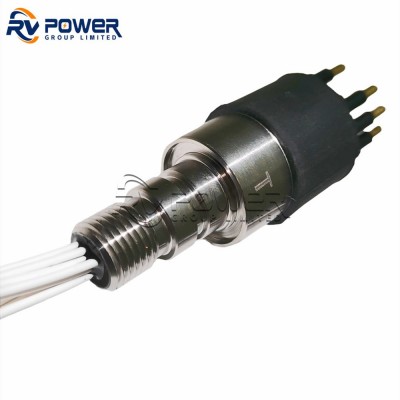
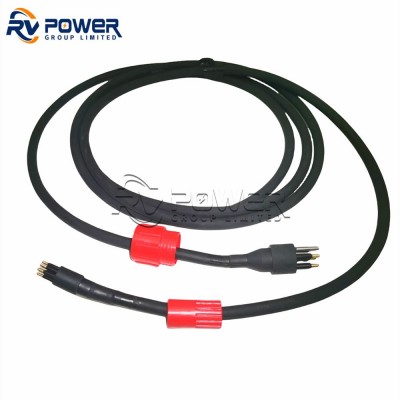
In terms of structure, materials and manufacturing processes, it compares three mainstream technologies: assembled metal housings, rubber compression molding (represented by the classic Subconn series), and glass-to-metal sealing, which is widely used for insulation and airtight isolation in extreme high-pressure environments.
As critical nodes of marine engineering networks, underwater connectors face prominent technical challenges. They must maintain stable electrical continuity and zero leakage for decades under severe electrochemical corrosion, marine biofouling and ultra-high deep-sea pressure. Their performance directly determines the service life of UUVs (Unmanned Underwater Vehicles) and deep-sea detectors.