In deep-sea environments, standard electronic connectors are prone to failure due to high hydrostatic pressure, corrosion and the inability to be mated and unmated underwater.
Fortunately, professional underwater connectors can maintain stable power and data connections under such harsh conditions. They support long-service-life and maintenance-free installation as well as flexible operations such as in-situ underwater connection, which ordinary connectors cannot achieve.
This article illustrates the unique advantages of underwater cable connectors. It also compares mainstream types of underwater connectors, helping engineers and purchasers select ideal solutions to meet subsea power and data transmission requirements.
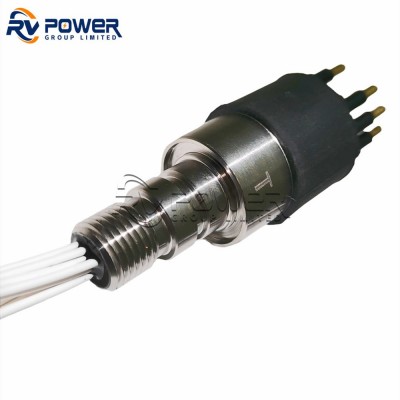
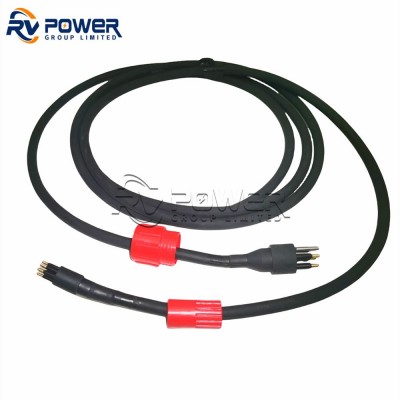
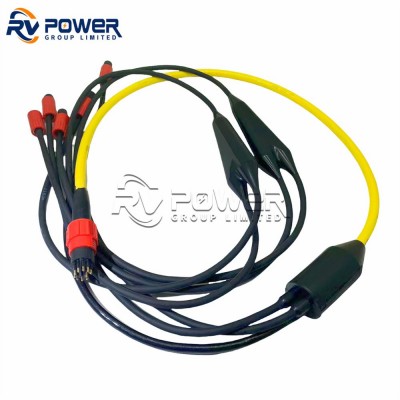
Underwater connectors are specially engineered interface devices that ensure electrical continuity in saltwater and high-pressure environments, featuring distinct designs and materials compared with conventional connectors.
Their core features include waterproof sealing structures such as O-rings, gaskets and epoxy encapsulation, rugged housings made of stainless steel, titanium alloy and high-performance thermoplastics, as well as pressure compensation mechanisms represented by pressure-balanced oil-filled structures. Most products are available in wet-mate and dry-mate types; dry-mate connectors are generally connected on the water surface before being deployed underwater.