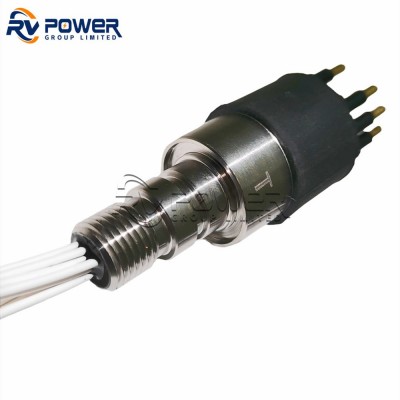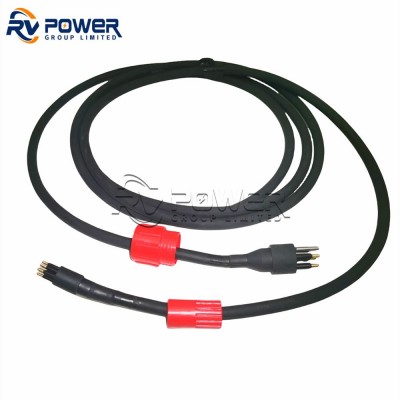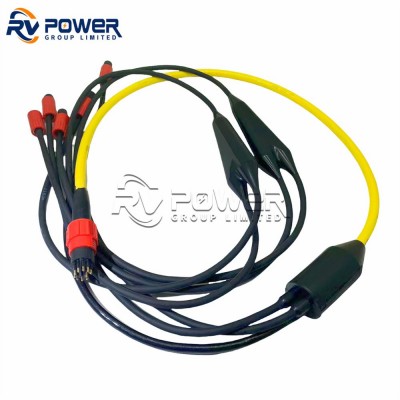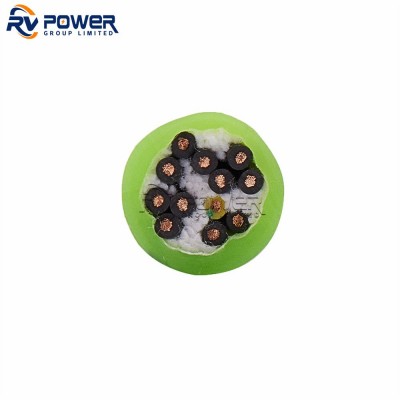
Underwater connectors are specialized components designed to ensure reliable electrical and data transmission in extreme marine environments, serving as critical links for subsea equipment like ROVs, offshore wind farms, and deep-sea sensors. The core challenge lies in withstanding high hydrostatic pressure (up to 600 bar for 6,000-meter depths), saltwater corrosion, and biofouling.
Design focuses on three key aspects: sealing, materials, and pressure compensation. Sealing systems use multi-layer O-rings, epoxy encapsulation, or pressure-balanced oil-filled (PBOF) structures to prevent water ingress. Housings are typically made of 316L stainless steel or titanium for corrosion resistance, while contacts use gold plating to ensure low resistance and stability. Pressure compensation mechanisms, such as flexible oil-filled chambers, balance internal and external pressure to avoid structural damage.