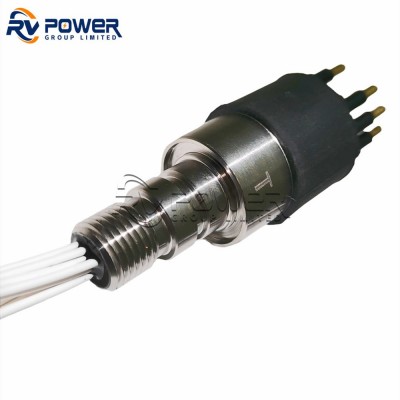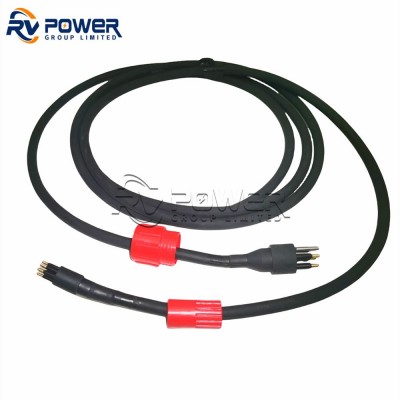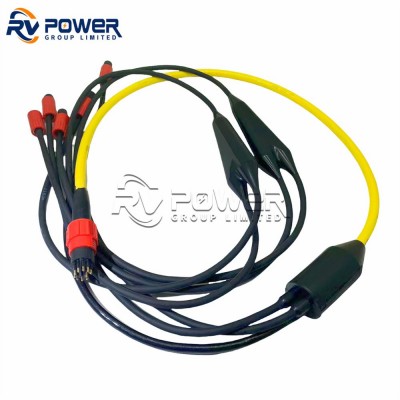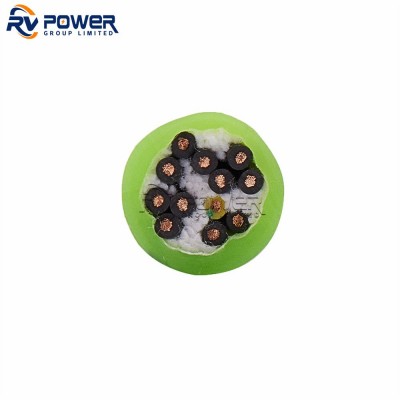
Underwater connector technology plays a pivotal role in diverse marine industries, enabling seamless power and data connectivity in harsh subsea environments. Its applications span offshore oil and gas, marine renewable energy, scientific research, and defense systems. In offshore wind farms, connectors link subsea turbines and power collection systems, while in deep-sea exploration, they support ROVs and AUVs for underwater inspection and data acquisition.
Recent advancements focus on enhancing performance, reliability, and functionality. Miniaturized designs now accommodate compact underwater devices, while high-density contact configurations support mixed power and signal transmission. Fiber optic-electrical hybrid connectors have emerged, integrating high-speed data (fiber) and power (electrical) transmission into a single unit, meeting the growing demand for real-time, high-volume data in subsea operations.
Another key development is improved wet-mate technology, allowing connectors to be mated/unmated underwater even under power, reducing operational costs and downtime. Materials innovation, such as advanced thermoplastics and corrosion-resistant alloys, extends service life in extreme conditions. Additionally, smart connectors with built-in sensors enable real-time monitoring of temperature, pressure, and connection status, enhancing system safety and predictability.