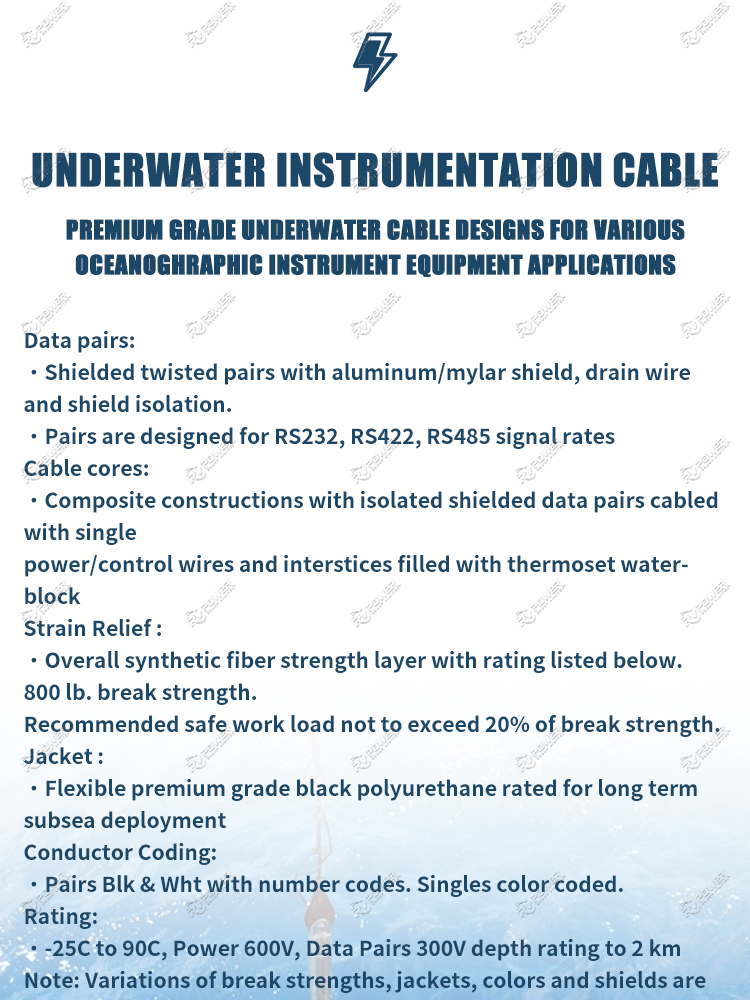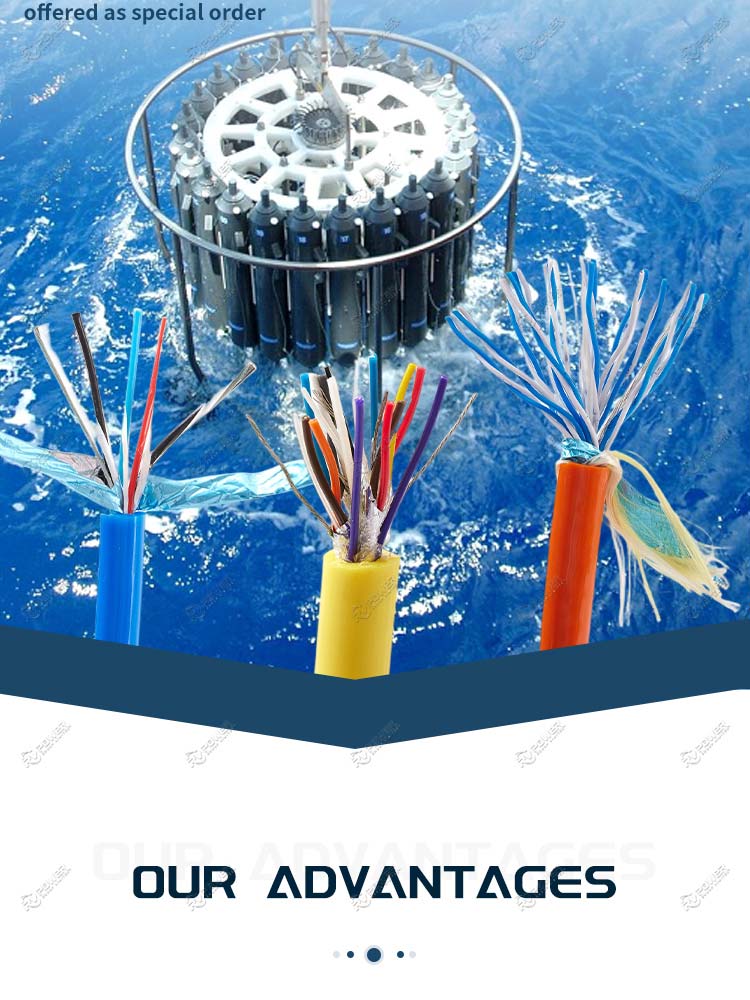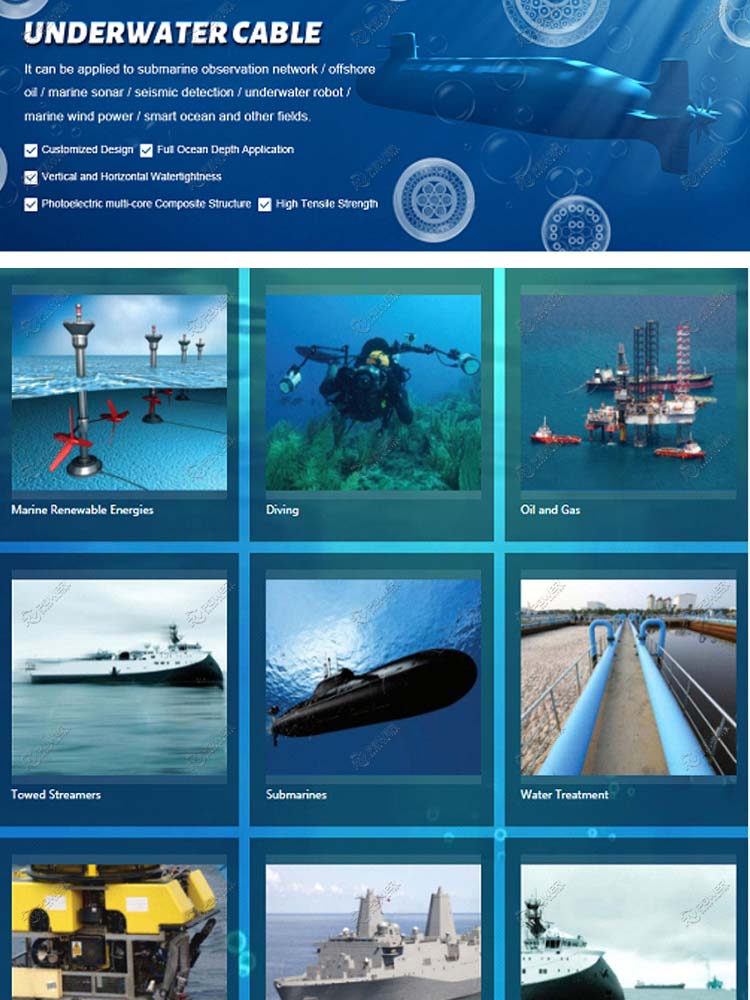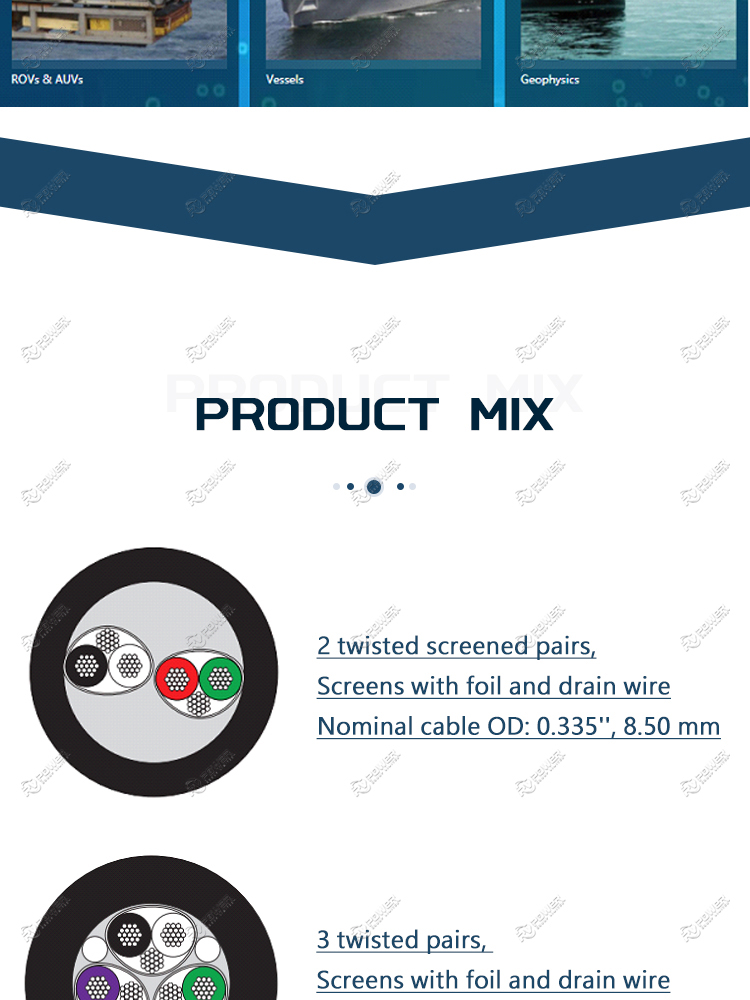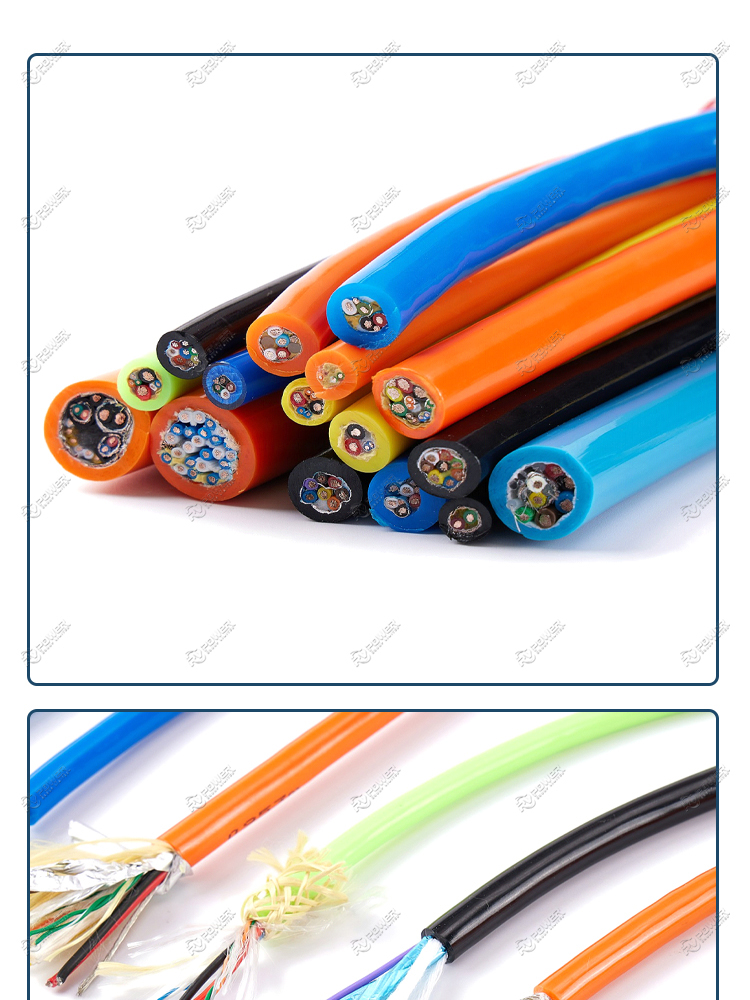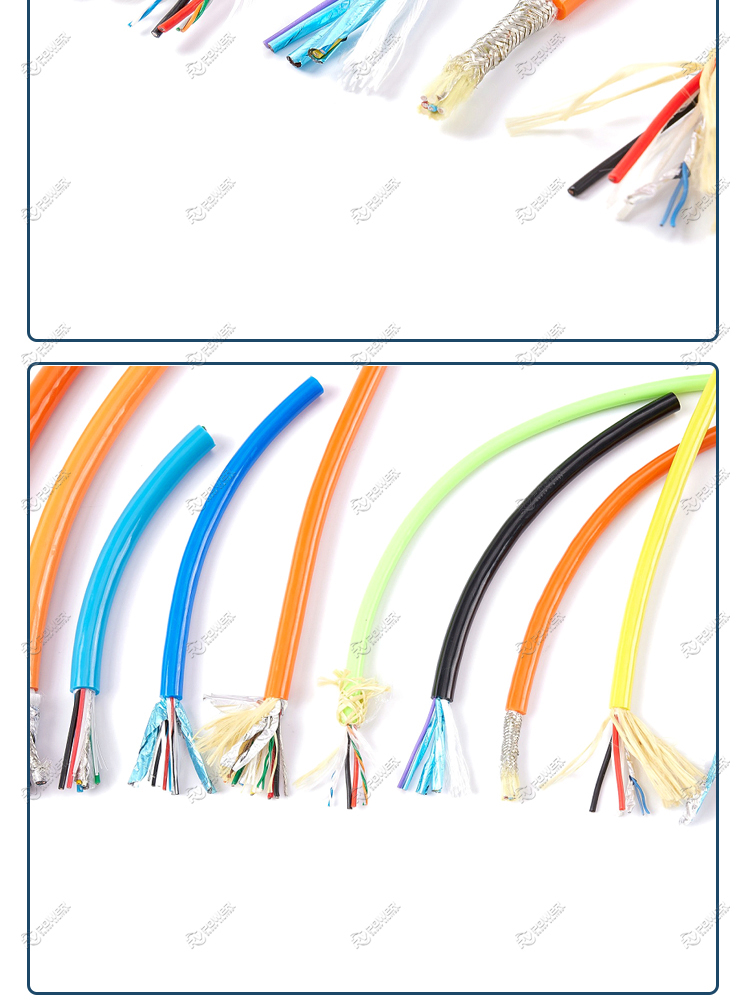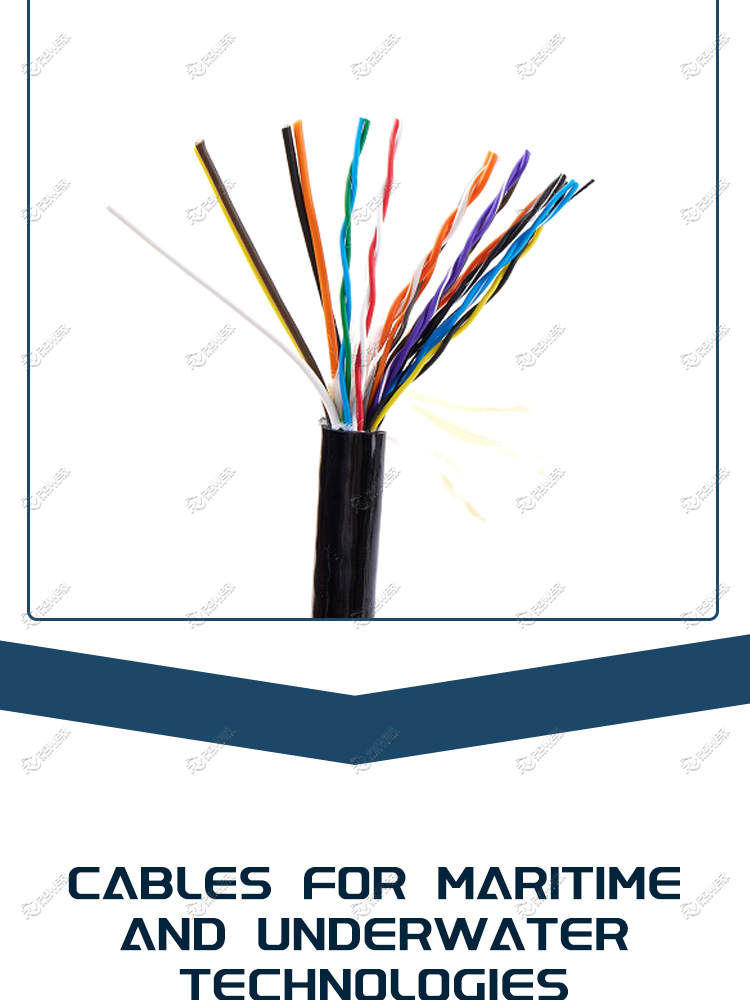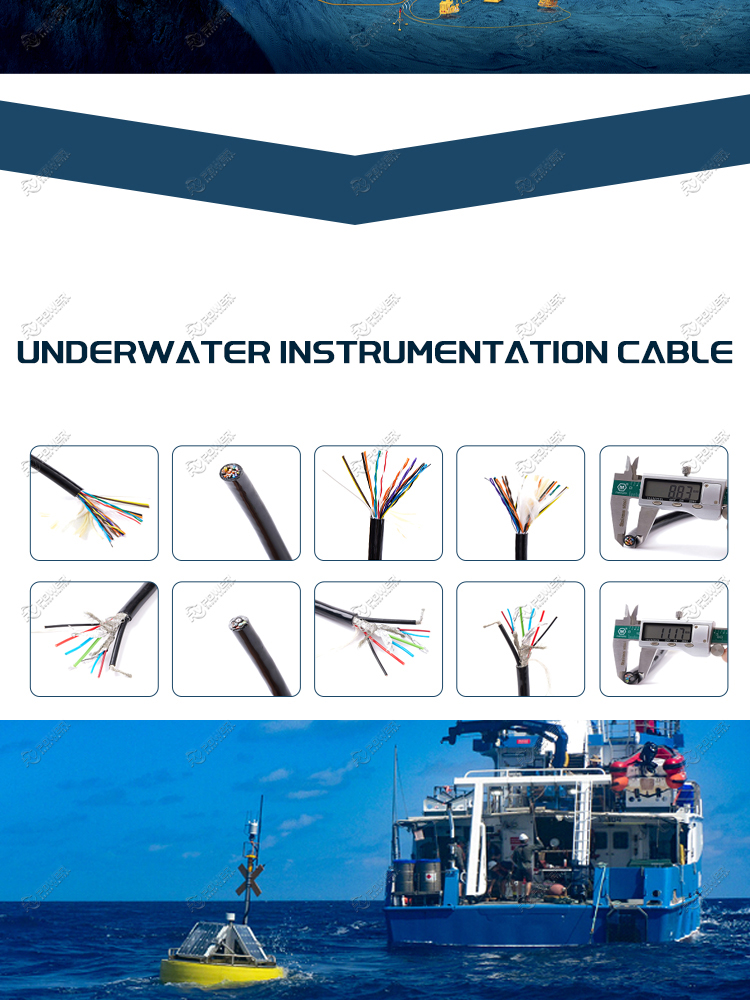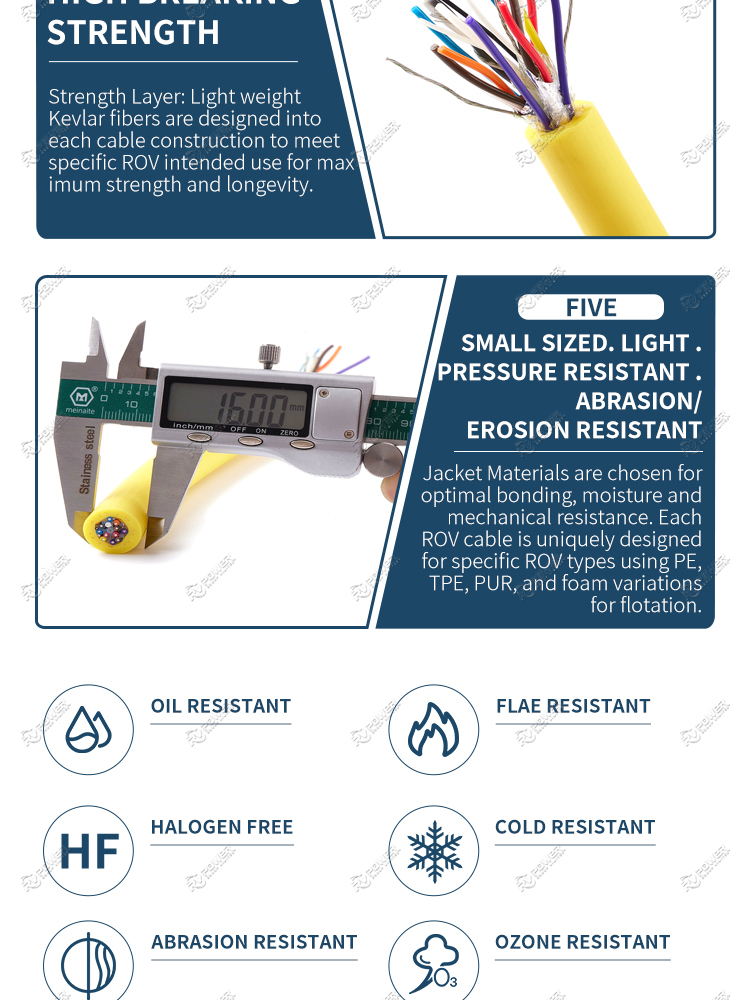

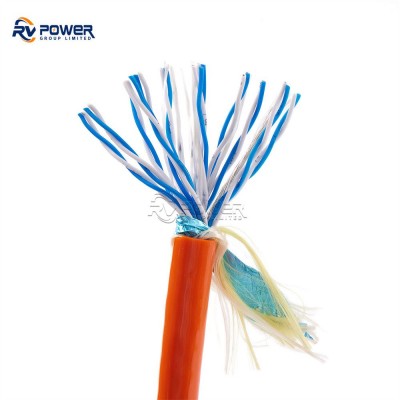
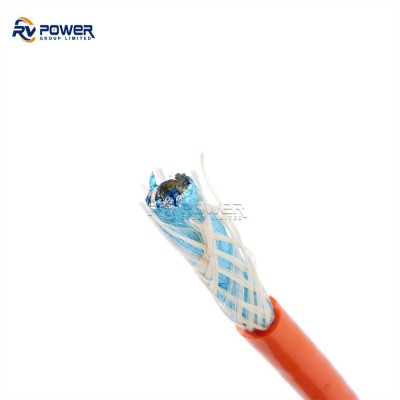
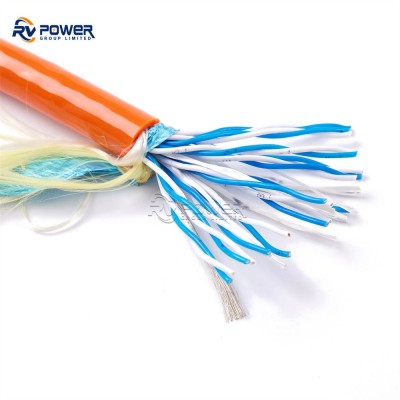
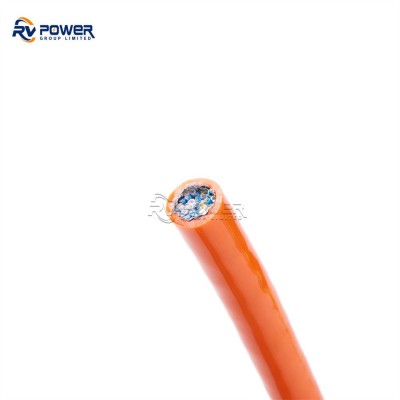
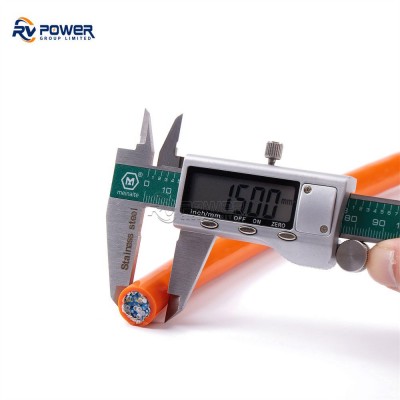
12 Pairs cable for use with underwater sensors — precision subsea instrumentation cable for oceanographic sensors, ROV control systems, and offshore instrumentation. Depth-rated to 2,000 m, shielded twisted pairs for RS-232/422/485, PUR jacket, thermoset waterblock. Power + signal hybrid configurations available.
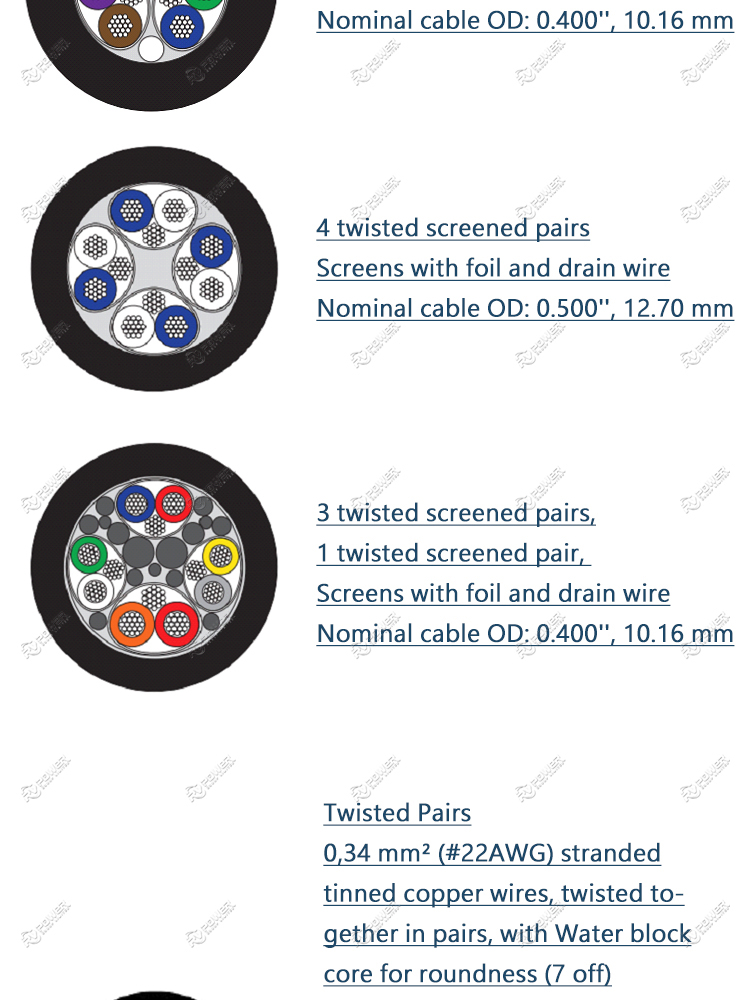
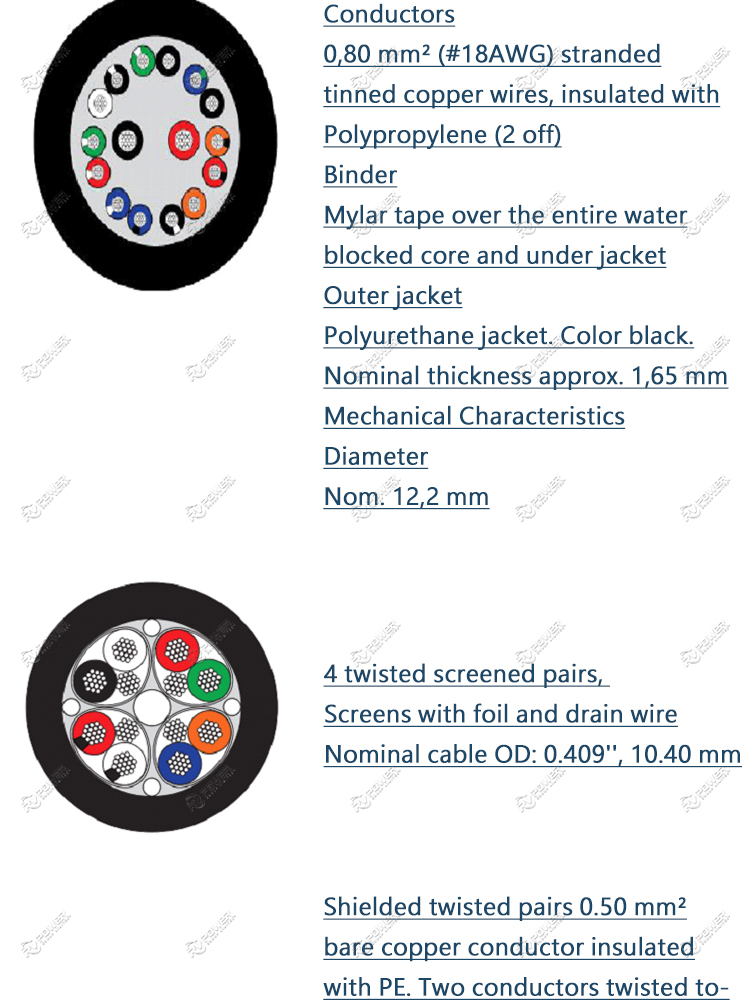
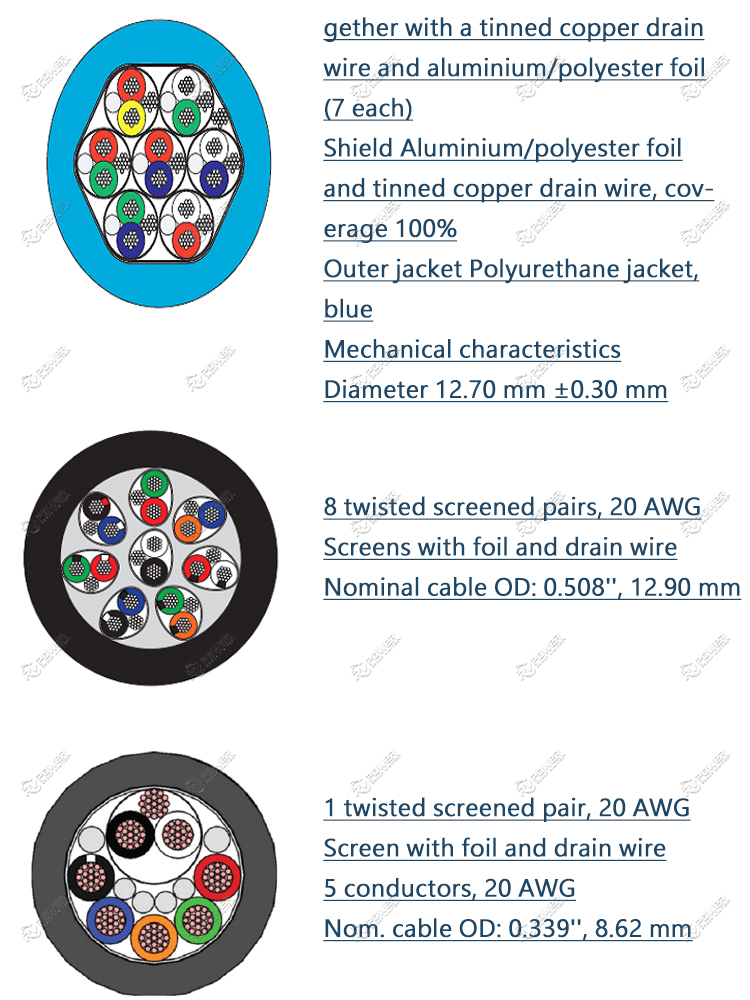
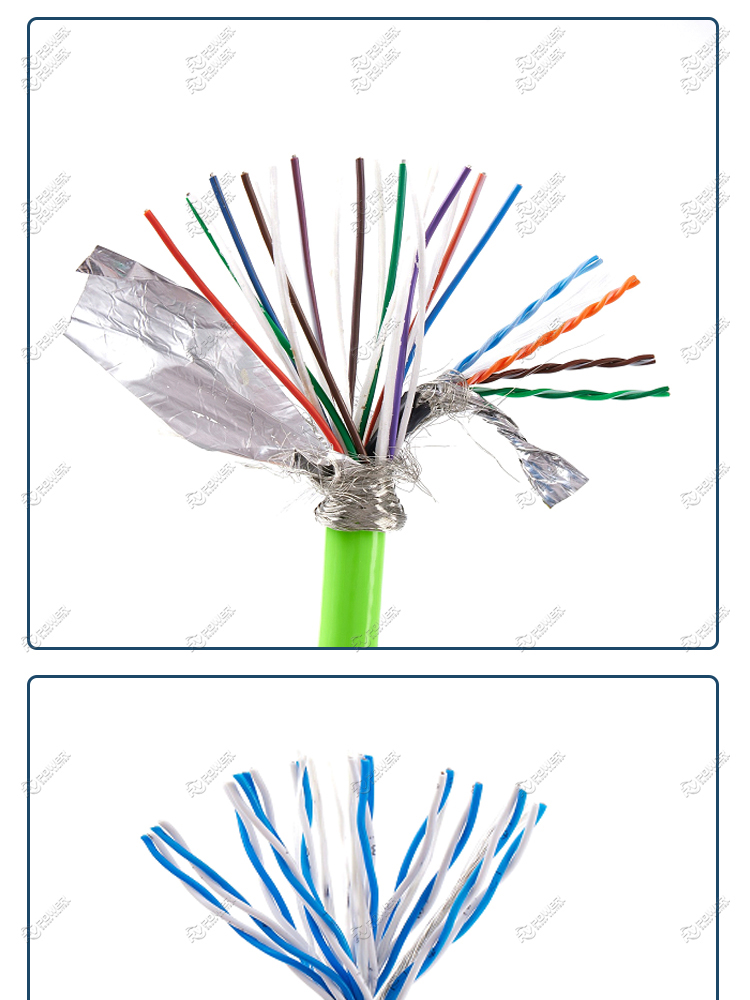
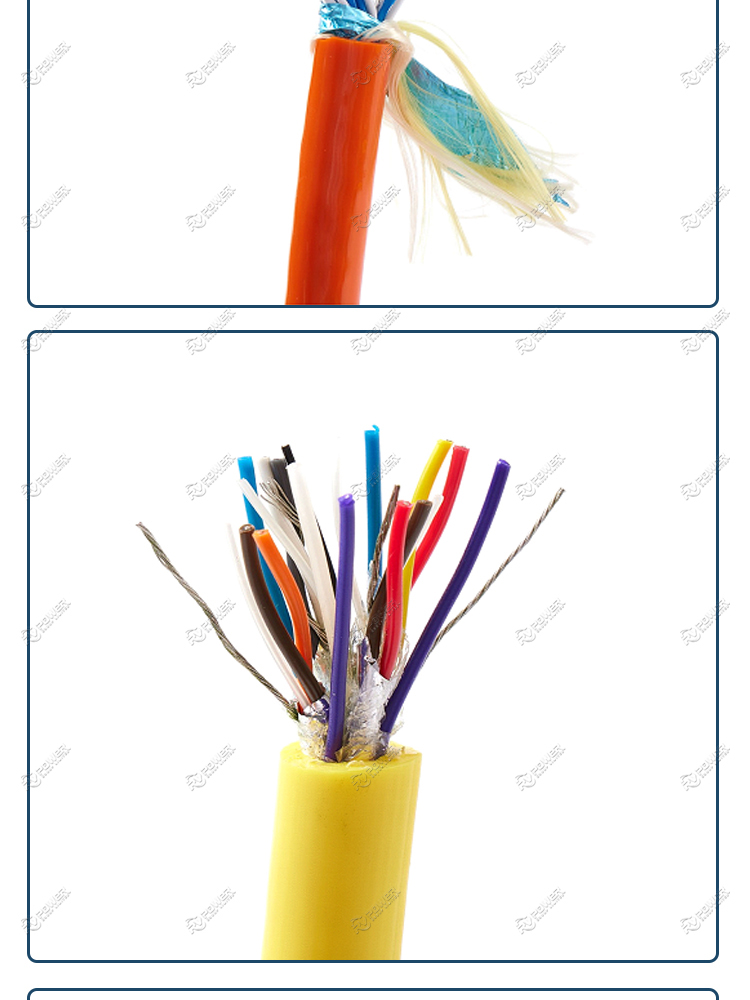
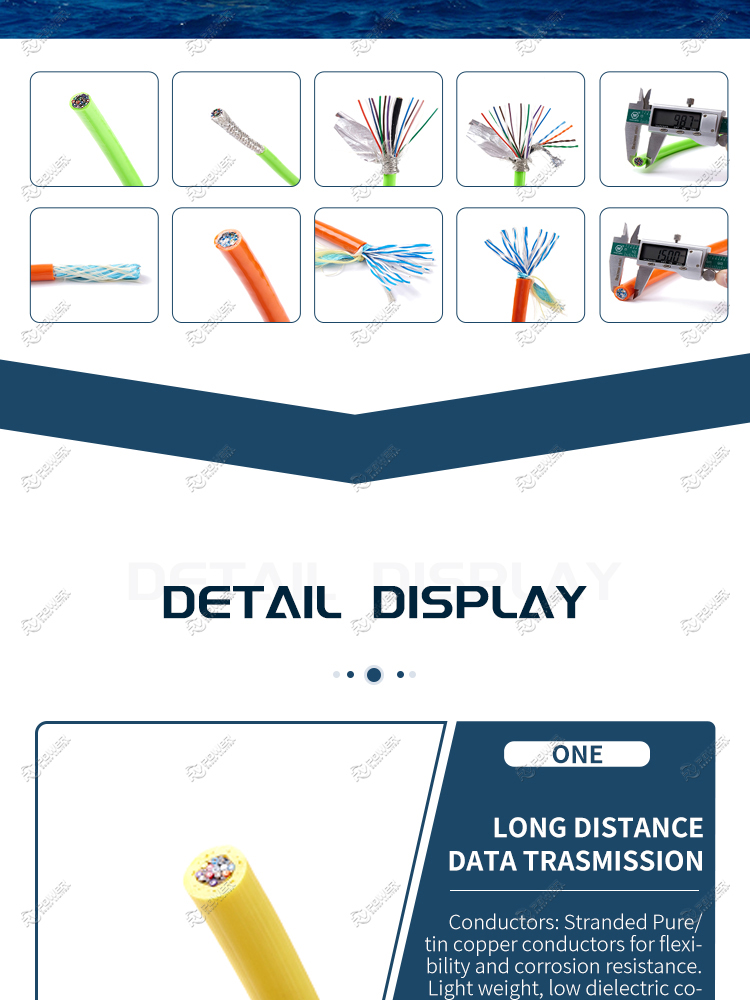
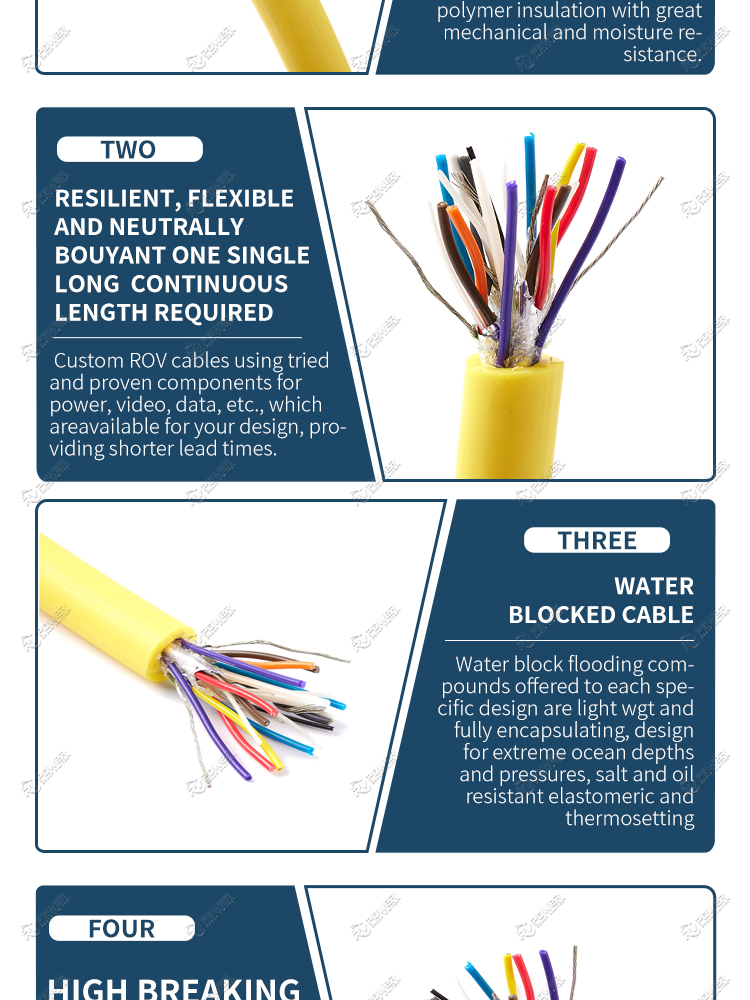
This 12 Pairs cable for use with underwater sensors is a purpose-built subsea instrumentation cable designed for oceanographic measurement systems, ROV telemetry, offshore oil and gas instrumentation, and underwater environmental monitoring networks. At its core are shielded twisted pairs with individual aluminium/mylar shields and tinned copper drain wires — providing signal integrity for RS-232, RS-422, RS-485, analogue 4–20 mA, and frequency-based sensor protocols from the surface to 2,000 m depth.
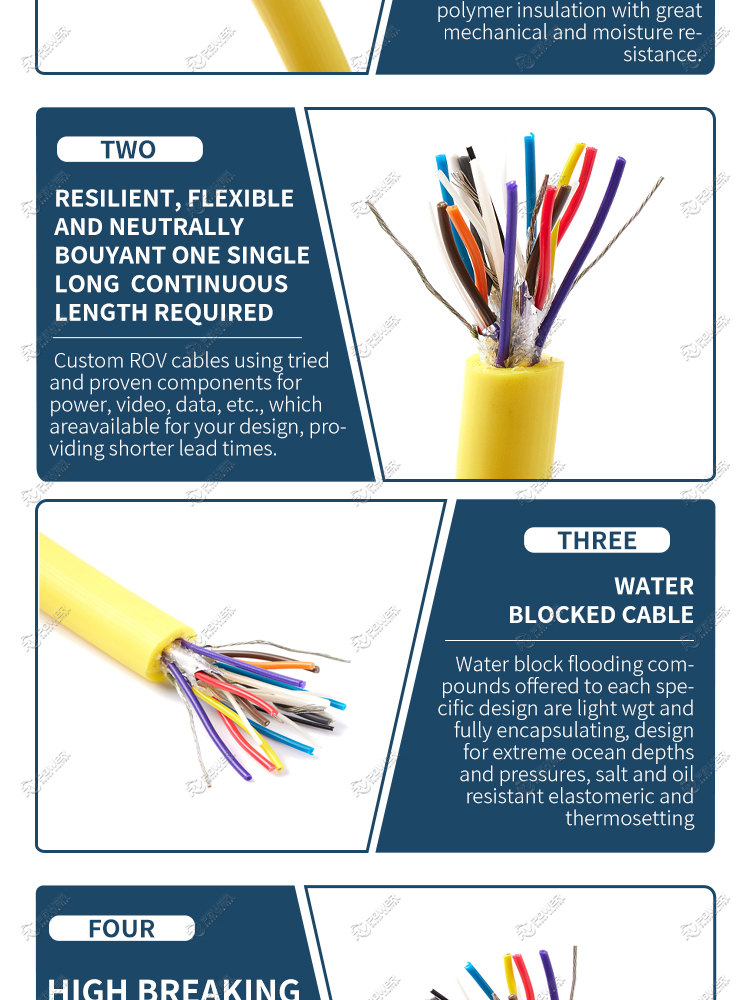
Power conductors are integrated into the same cable assembly, eliminating the need for separate power and data cables in multi-sensor deployments. A thermoset elastomeric waterblock fills all interstices, preventing pressure-induced water migration and maintaining electrical parameters under full hydrostatic loading.
| Parameter | Specification |
|---|---|
| Voltage Rating | Data pairs: 300V; Power singles: 600V |
| Temperature | -25°C to +90°C operating |
| Depth Rating | Standard: 2,000 m; deep variants: 500 m (lighter construction) |
| Pair Count | 2 to 12 shielded twisted pairs + 0–4 power singles |
| Conductor AWG | 18–24 AWG tinned stranded copper |
| Characteristic Impedance | 41–73 Ohm (pair-dependent) |
| Capacitance | 21–37 pF/ft (pair-dependent) |
| Shield Type | Individual Al/mylar + drain wire per pair; optional overall braid |
| Waterblock | Thermoset elastomeric — fills all interstices |
| Jacket | Premium black PUR, 90°C |
| Break Strength | 800 lbs (Kevlar strength member) |
| Safe Working Load | ≤160 lbs (20% of break strength) |
| OD Range | 7 mm (2-pair/2-single) to 14 mm (6-pair/6-single) |
| Buoyancy | 10–63 lbs/1,000 ft positive in seawater (configuration dependent) |
Marine control cables with a single overall shield suffer from capacitive and inductive crosstalk between signal pairs — particularly problematic in multi-channel sensor networks running different protocols on adjacent pairs. Individually shielded pairs reject inter-channel interference, enabling RS-485 and analogue 4–20 mA signals to share the same cable without mutual degradation.
Standard marine cables have uncontrolled pair impedance. RS-485 bus systems require 120-Ohm termination and cable impedance within ±15% for reliable multi-drop operation. Our instrumentation cables are manufactured to a controlled characteristic impedance with tight twist-pitch tolerances, ensuring compliant RS-485 performance at full bus length up to 2,000 m cable length.
At 2,000 m depth, hydrostatic pressure exceeds 3,000 psi. Standard cables experience core compression that increases capacitance per unit length, shortening the effective RS-485 or analogue loop range. Our thermoset waterblock prevents core compression, maintaining capacitance within 5% of atmospheric values at rated depth.
Separate power and data cables double the number of subsea penetrators, connectors, and wet-mate operations required for each sensor node — exponentially increasing system cost and failure probability. Our hybrid instrumentation cables provide both power and data in one jacket, compatible with industry-standard multi-pin underwater connector systems.
Instrumentation cables are routinely deployed and recovered from moving vessels, experiencing significant shock loads at deck connection points. The 800 lbs Kevlar break strength (safe working load 160 lbs) provides the safety margin required for safe deck operations without the weight penalty of steel-armoured cables.
| Type | Pairs | Power Singles | AWG | Cap (pF/ft) | OD (in) | Depth |
|---|---|---|---|---|---|---|
| 2P+2S light | 2 TSP 24AWG | 2×20AWG | 24/20 | 21 | 0.392 | 2,000 m |
| 4P+4S medium | 4 TSP 24AWG | 4×22AWG | 24/22 | 21 | 0.426 | 2,000 m |
| 2P+2S standard | 2 TSP 22AWG | 2×20AWG | 22/20 | 24 | 0.405 | 2,000 m |
| 3P+3S medium | 3 TSP 22AWG | 3×22AWG | 22 | 33 | 0.382 | 2,000 m |
| 4P+4S heavy | 4 TSP 20AWG | 4×22AWG | 20/22 | 37 | 0.462 | 2,000 m |
| 3P+3S power | 3 TSP 18AWG | 3×18AWG | 18 | 33 | 0.466 | 2,000 m |
| 2P light (shallow) | 2 TSP 22AWG | None | 22 | 34 | 0.272 | 500 m |
| 12P sensor array | 12 TSP | Optional | Custom | Custom | Custom | 2,000 m |
For RS-485 multi-drop networks, terminate both ends of the cable with the characteristic impedance value (matching the pair impedance in the cable specifications). A missing termination causes reflection-induced data errors at higher baud rates. Our paired cables include tinned drain wires for simple impedance termination at connector backshells without additional components.
The thermoset waterblock compound fills core interstices but does not seal cut cable ends. Always apply heat-shrink with adhesive lining or moulded end seals to cut ends before immersion — even for short-duration tests. Water ingress at an unsealed cut end will migrate along the core to the subsea connector during deployment, causing electrical faults at depth.
Maintain a baseline electrical test record (insulation resistance, pair continuity, shield integrity, Hi-Pot) taken before first deployment. Re-test annually and compare against baseline. A reduction of more than 20% in insulation resistance compared to baseline indicates jacket degradation or water penetration that requires investigation before next deployment.
Specify pair count, AWG, power requirements, depth rating, break strength, and signal protocol — we supply a precision-built underwater instrumentation cable matched to your sensor system.
RS-232 / RS-485 / 4–20 mA | 2,000 m rated | Custom configurations