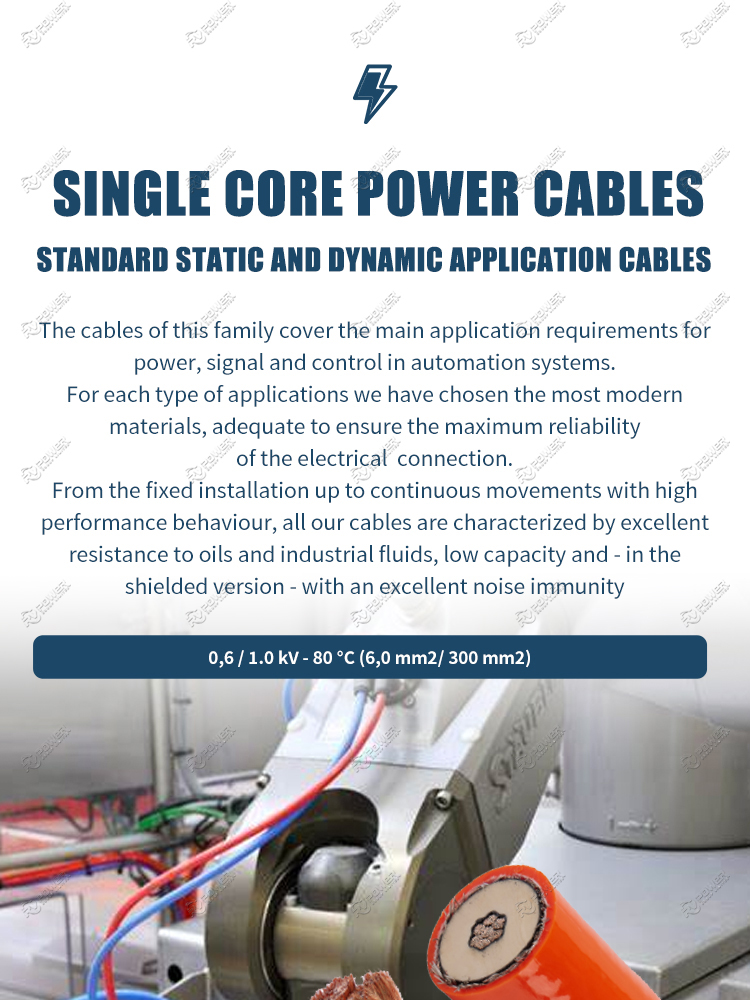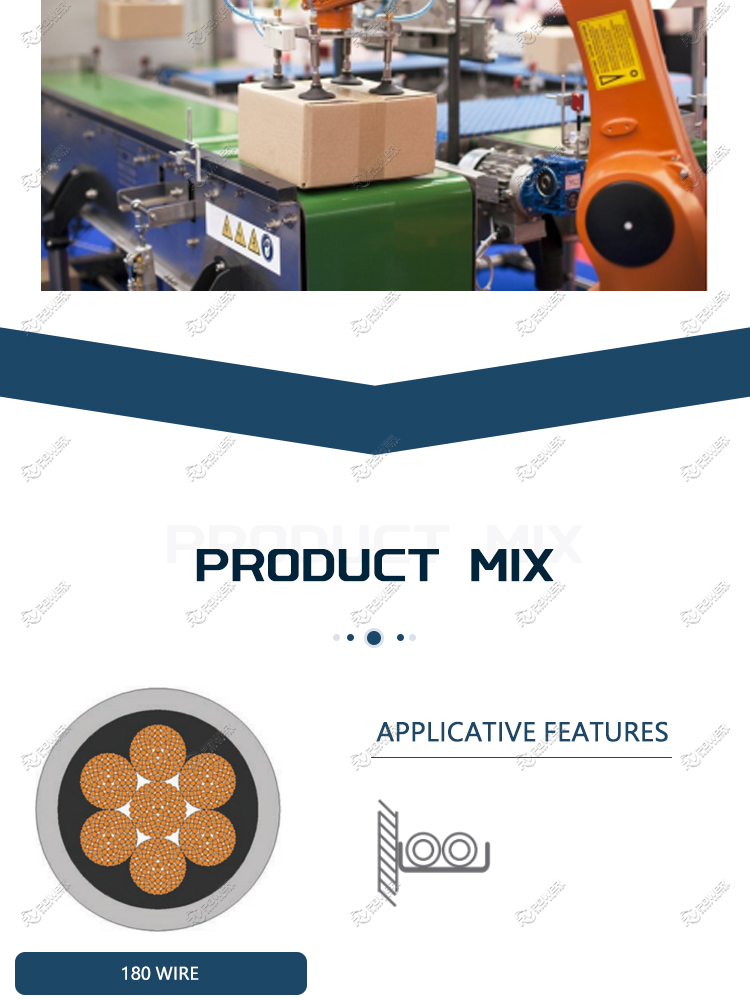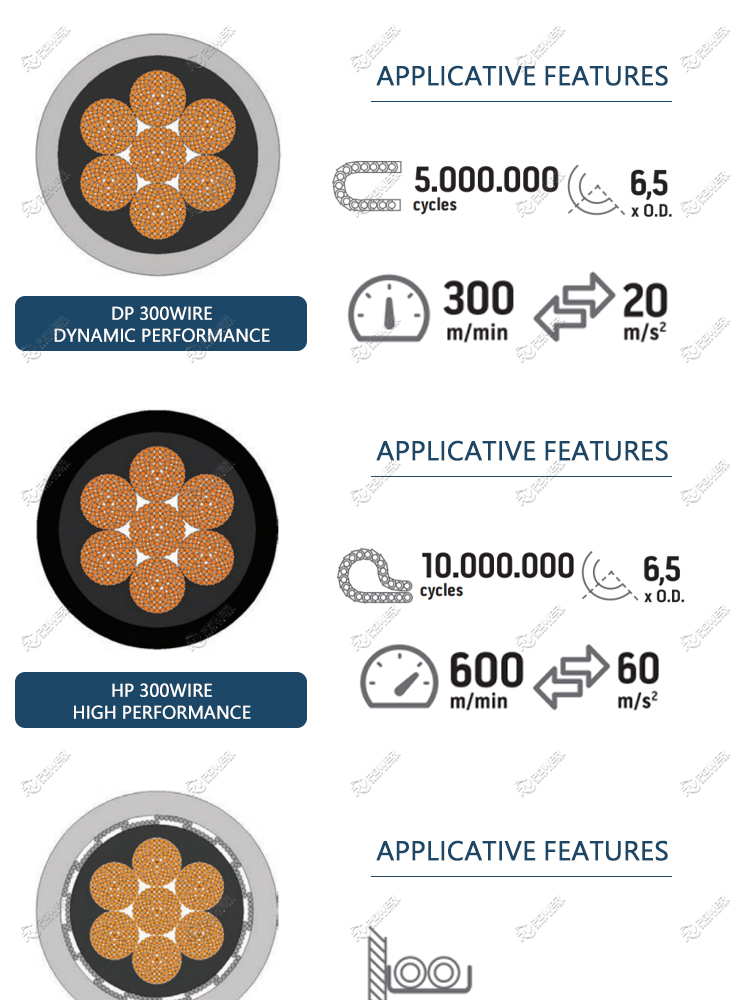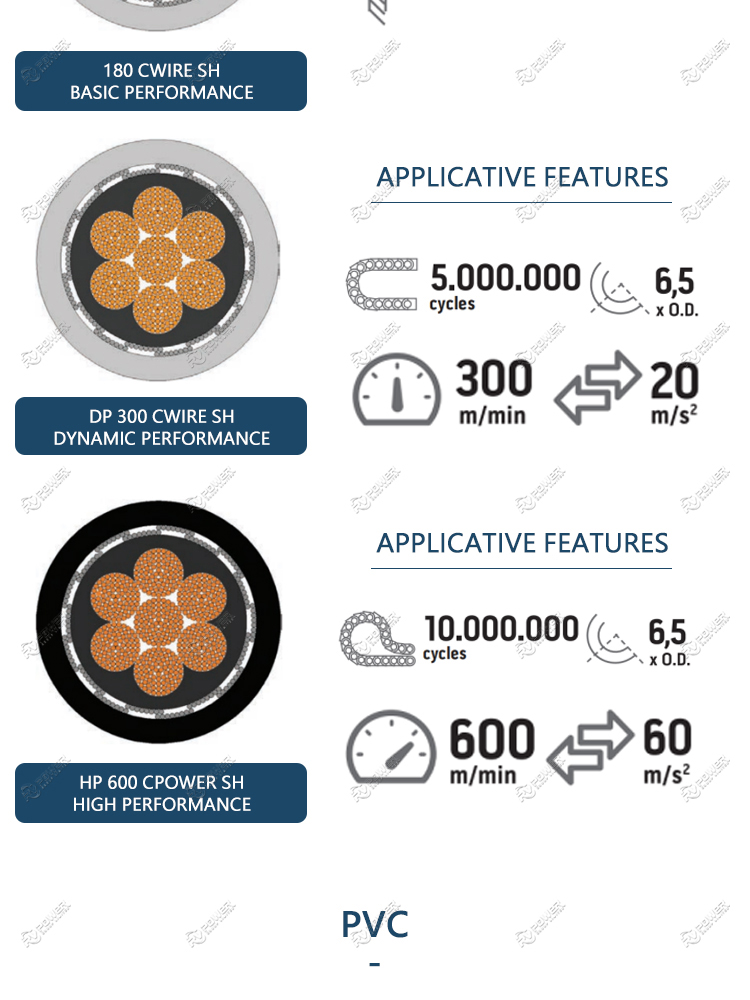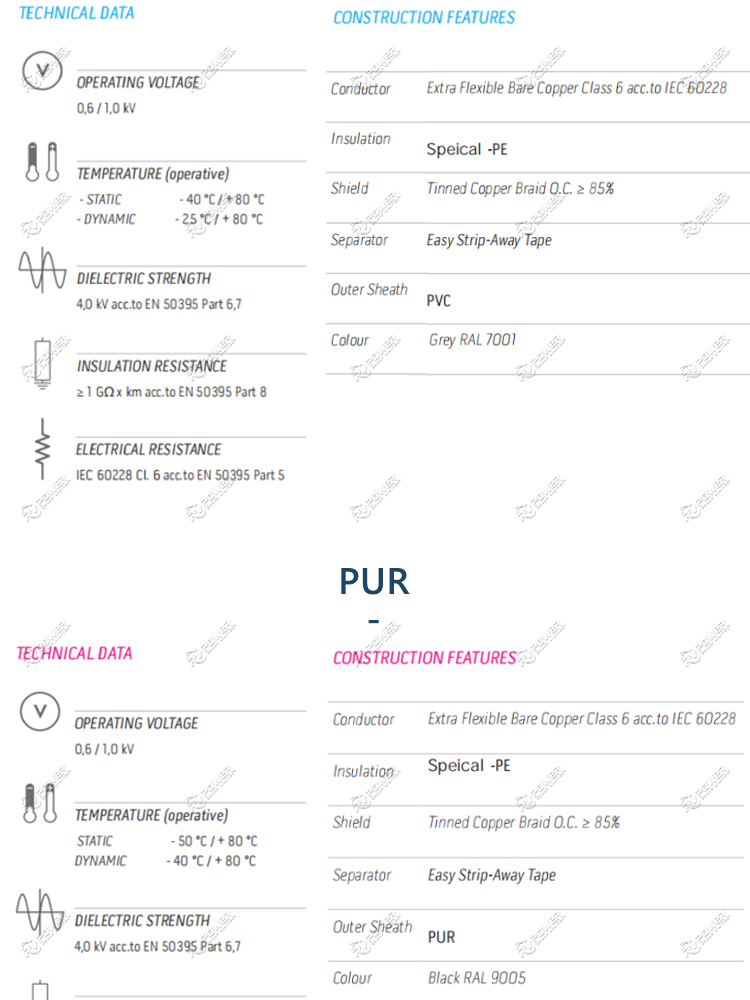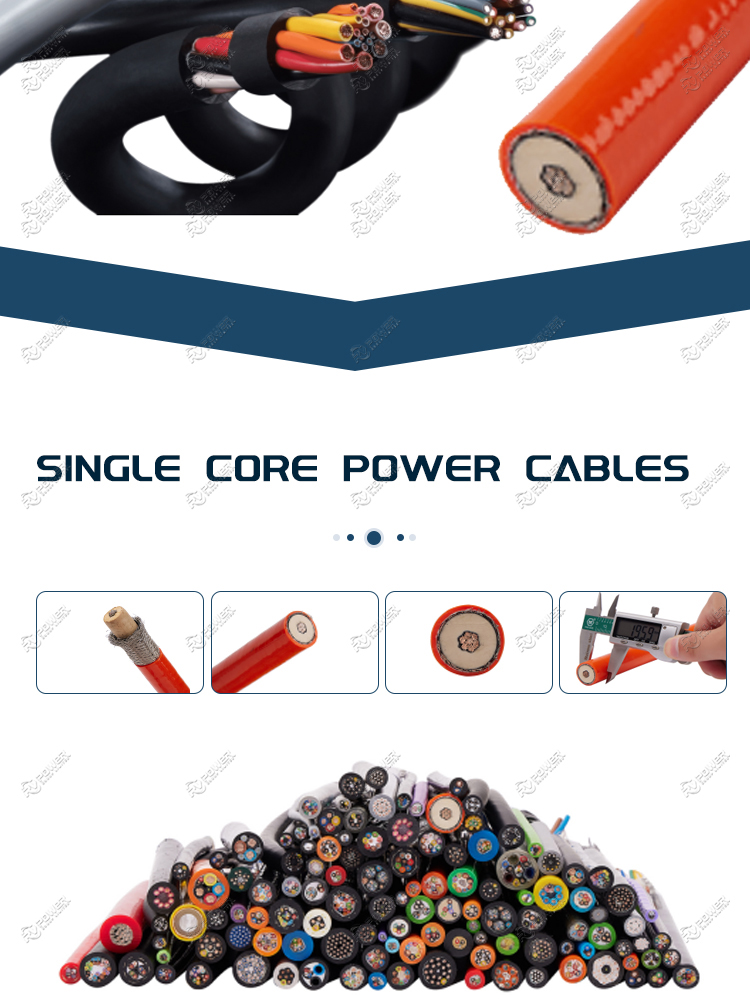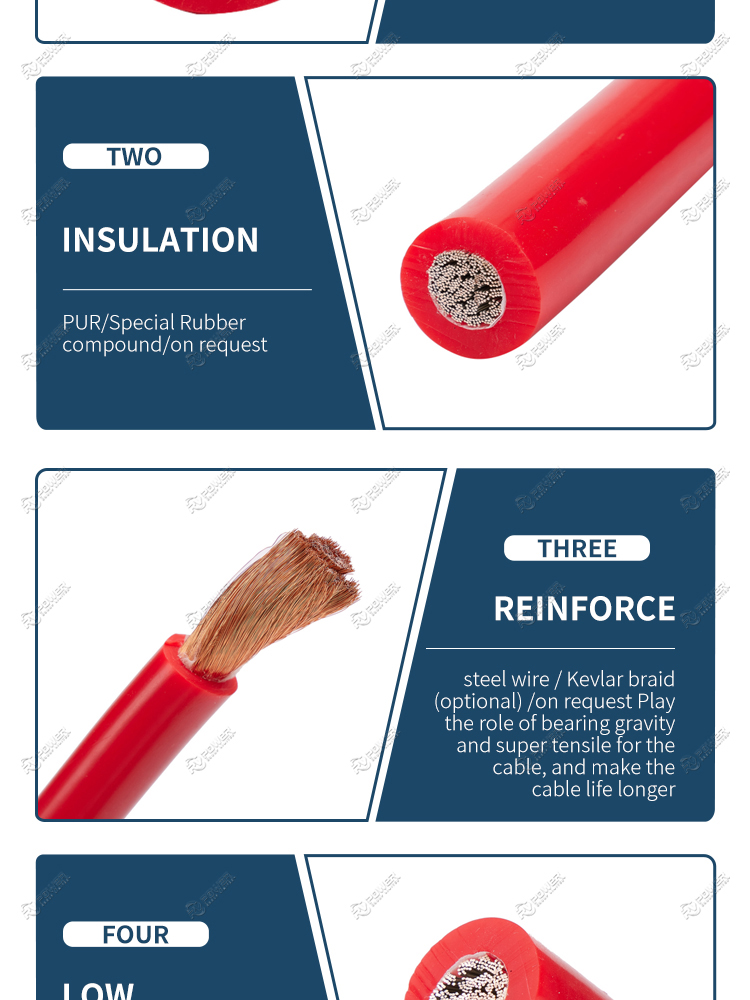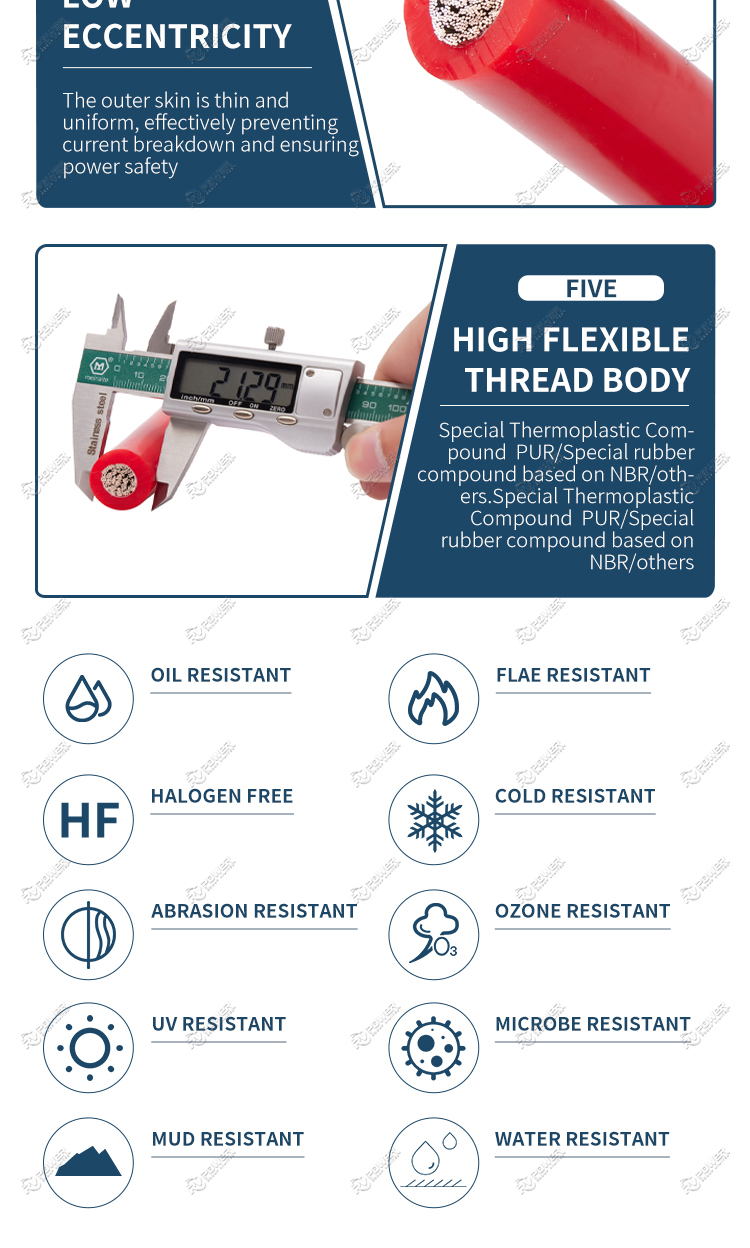

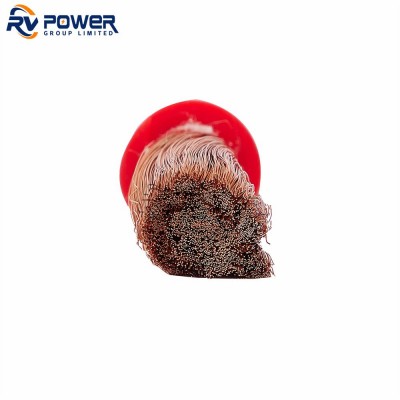
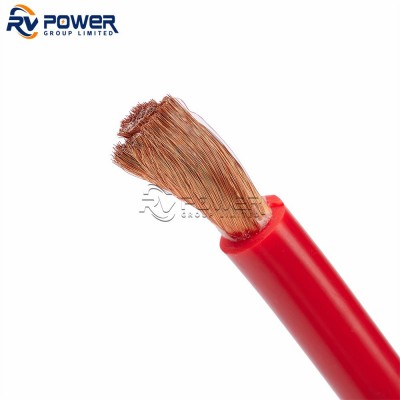
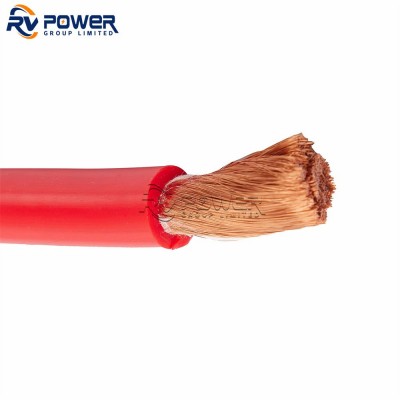
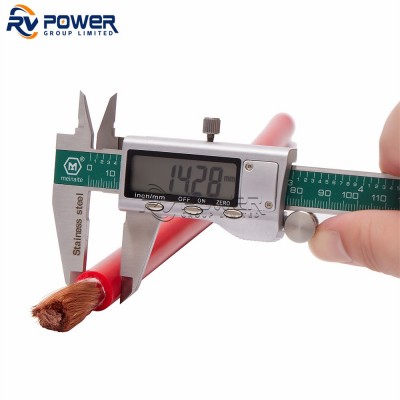
Pure copper PUR sheath single core flexible cable. Oil resistant, highly flexible, rated 0.6/1kV. For general purpose flexible power connections, motor leads, and oil-resistant single core wiring.
This is a pure copper PUR sheath single core flexible cable — the combination of pure copper conductors, PUR oil-resistant sheath, and Class 6 flexibility covers the widest range of industrial flexible power cable applications. Industrial control and signal cables form the nervous system of automated manufacturing — carrying the digital commands, analogue measurements, and safety signals that allow PLCs, drives, and safety systems to monitor and control every aspect of the production process. Cable selection directly affects system reliability: the wrong cable in a high-EMI environment causes spurious faults; undersized conductors cause voltage drop errors on analogue signals; non-oil-resistant sheaths fail prematurely in machine tool environments.
Available in a wide range of core counts (2–37 cores) and cross-sections (0.14–1.5mm²), these cables are stocked in standard configurations and available cut to length for OEM and panel building applications.
| Parameter | Value |
|---|---|
| Rated Voltage | 300V (0.6/1kV where specified) |
| Test Voltage | 1.5 kV (1 min) |
| Conductor | Fine-stranded or Class 6 Cu |
| Core Count | 2 – 37 cores |
| Cross-Sections | 0.14 – 1.5 mm² |
| Temp Range | −20°C to +80°C |
| Flame | IEC 60332-1 |
Digital 24V DC signals tolerate significant induced noise and can use unshielded cables in most environments. Analogue 4–20mA signals, thermocouple wires, and high-resolution encoder signals require individually screened twisted pairs to maintain signal accuracy across long cable runs in noisy environments.
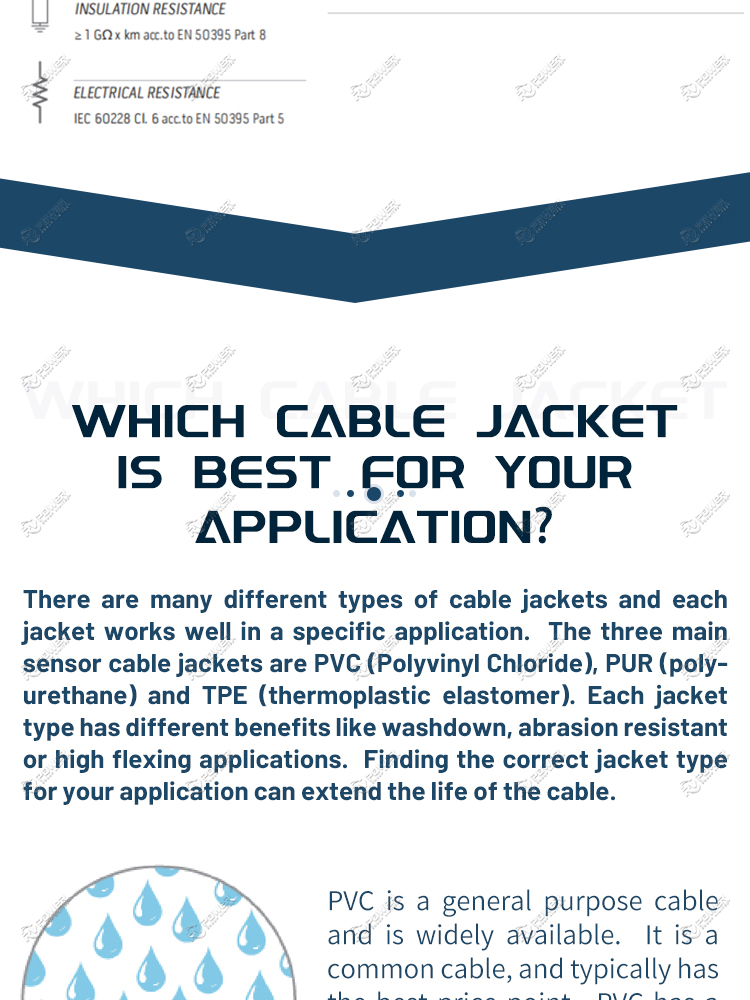
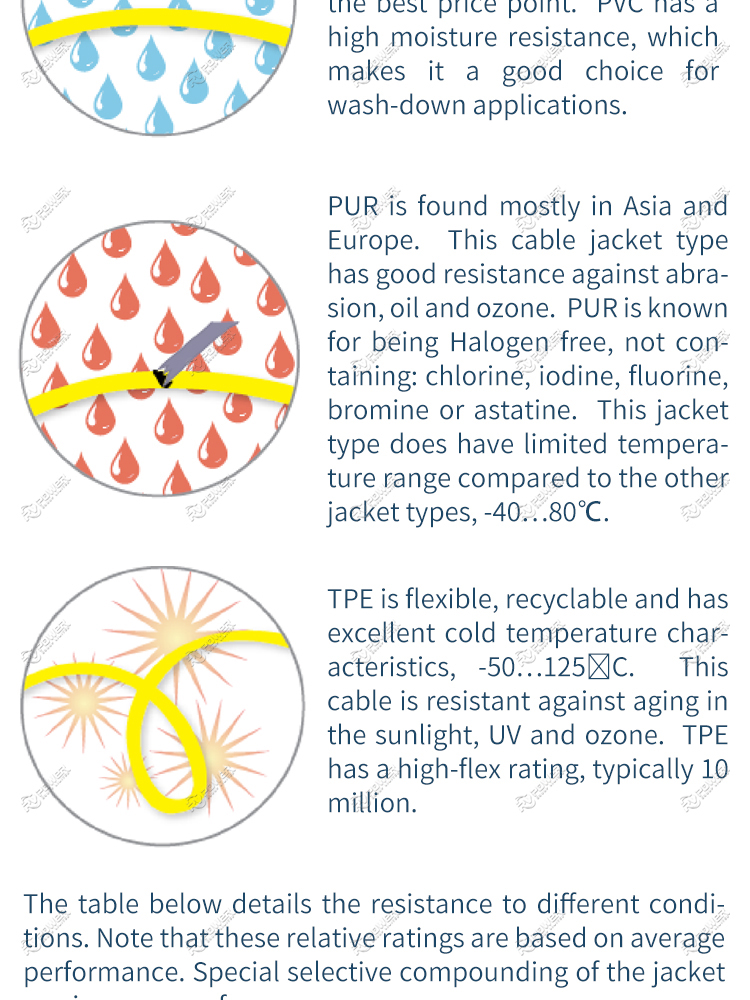
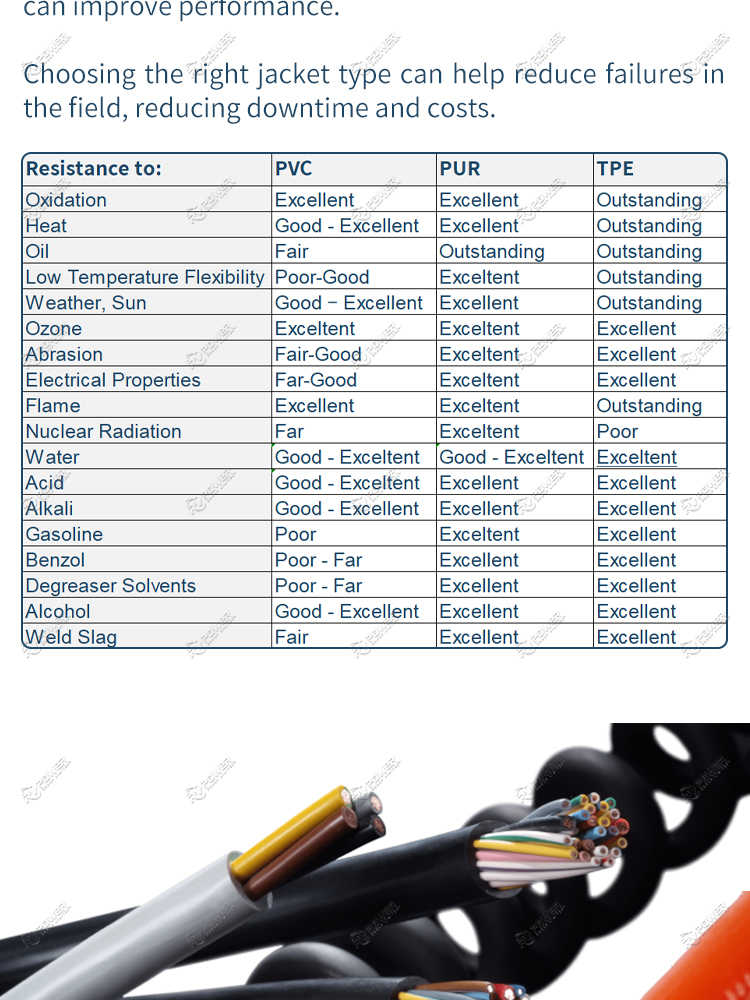
PVC sheath is adequate for clean, dry control panel environments. PUR sheath is required wherever the cable contacts oils, coolants, or cleaning chemicals — machine tools, food processing, and automotive manufacturing. LSZH is required in enclosed public buildings, offshore installations, and any location where fire safety codes mandate halogen-free materials.
Always specify at least 10–15% spare cores in multicore control cables. Adding a cable run after commissioning is expensive and disruptive; spare cores cost almost nothing in the original installation and are invaluable when control system modifications are required later.