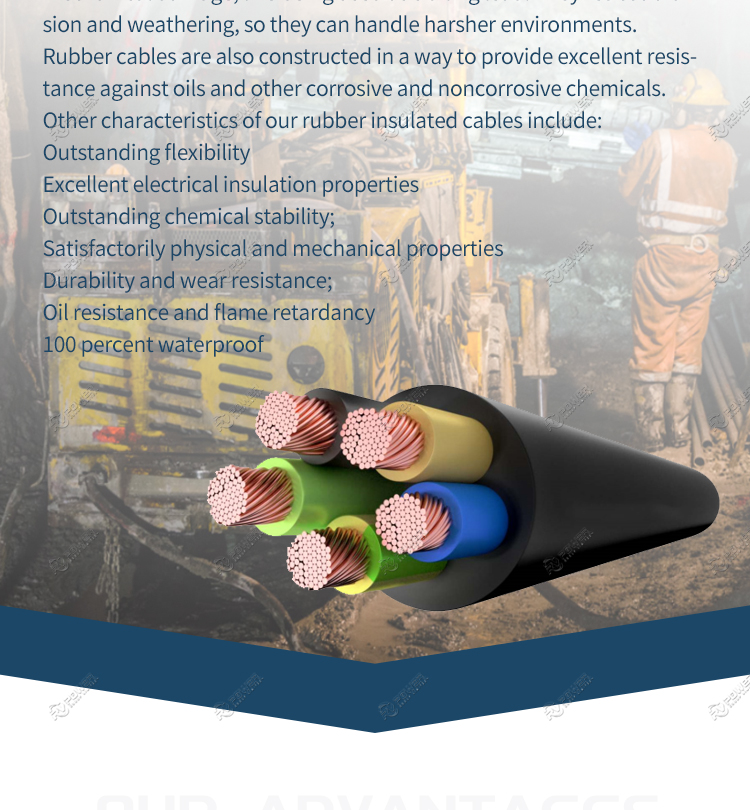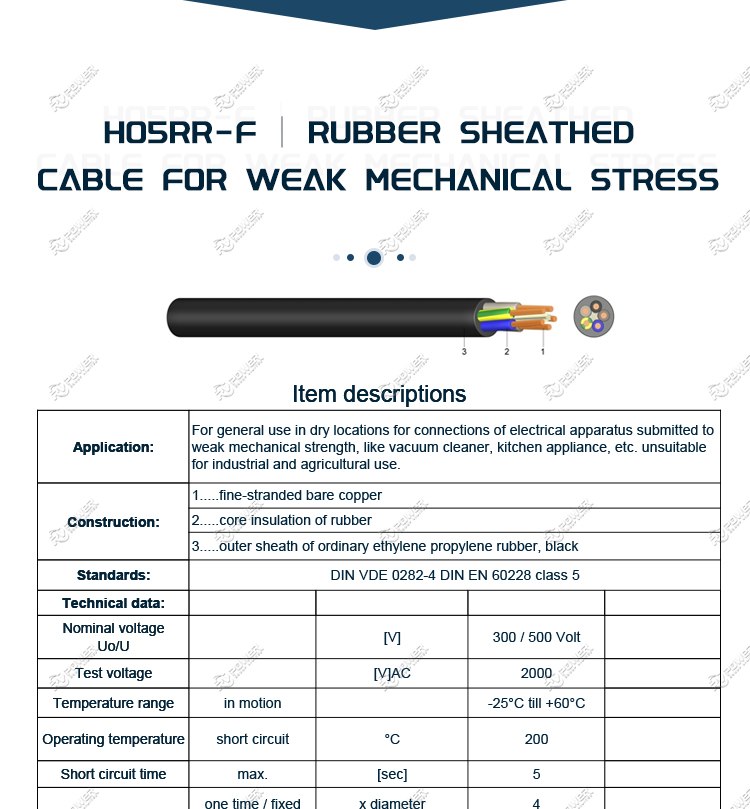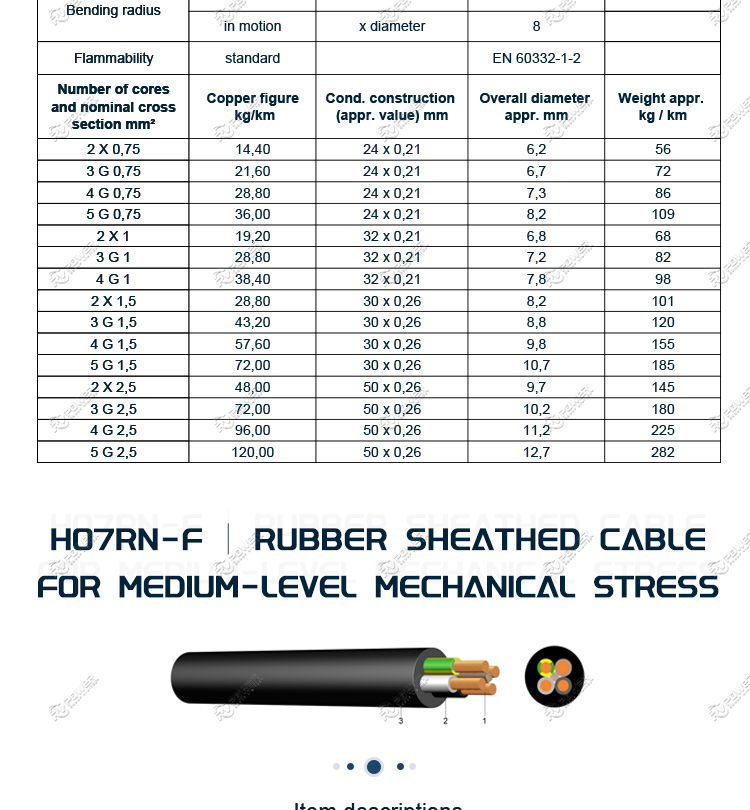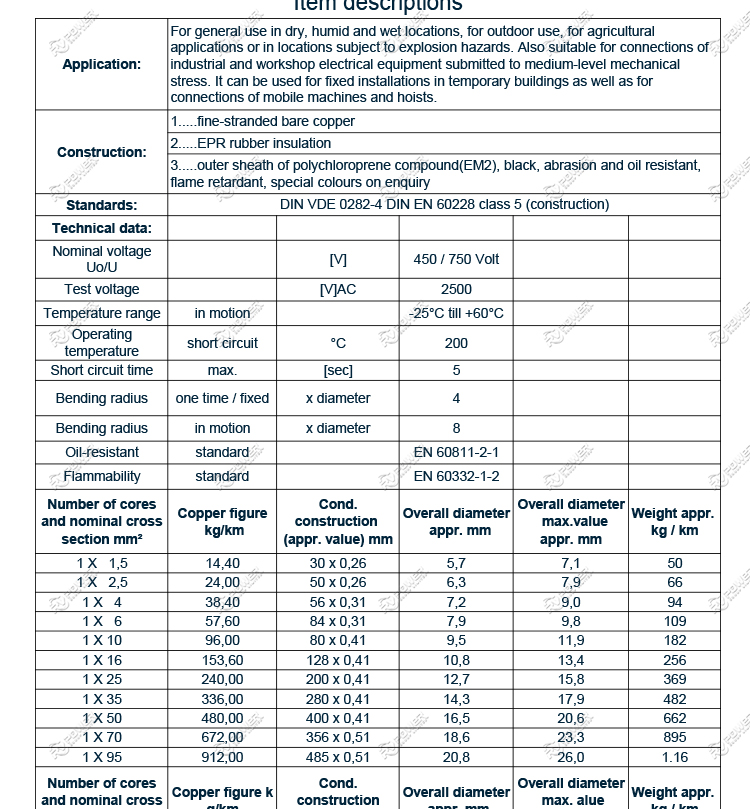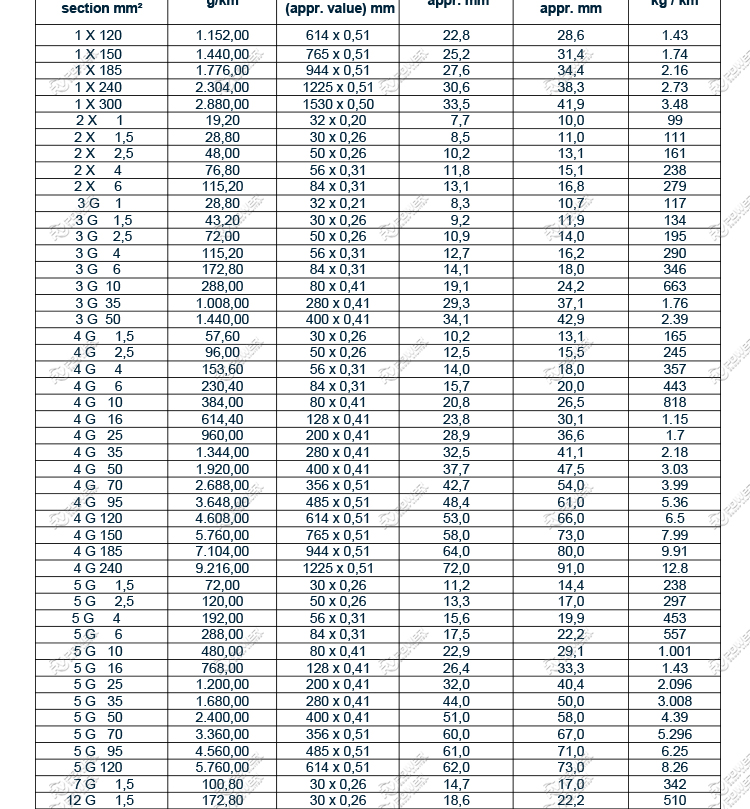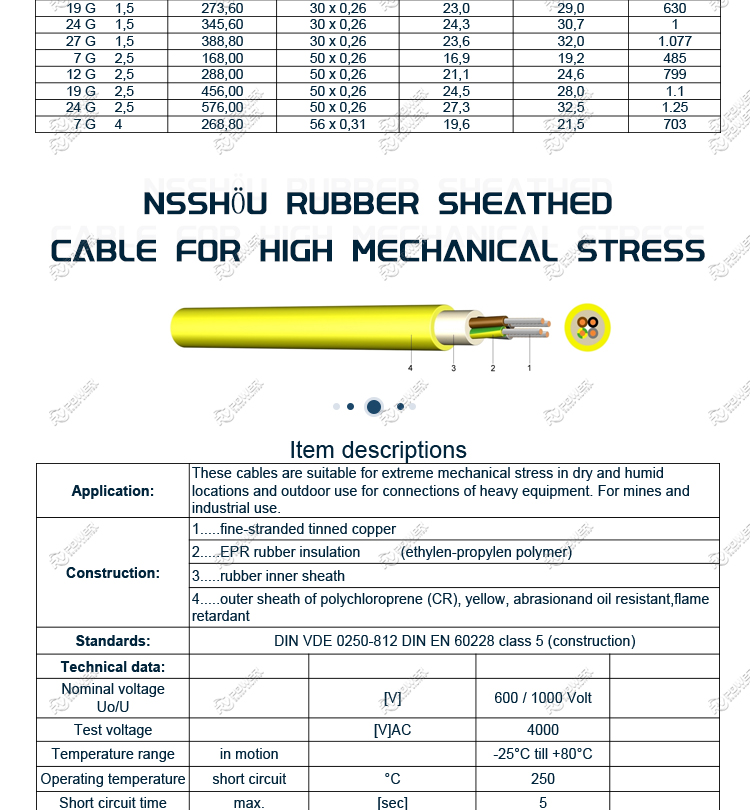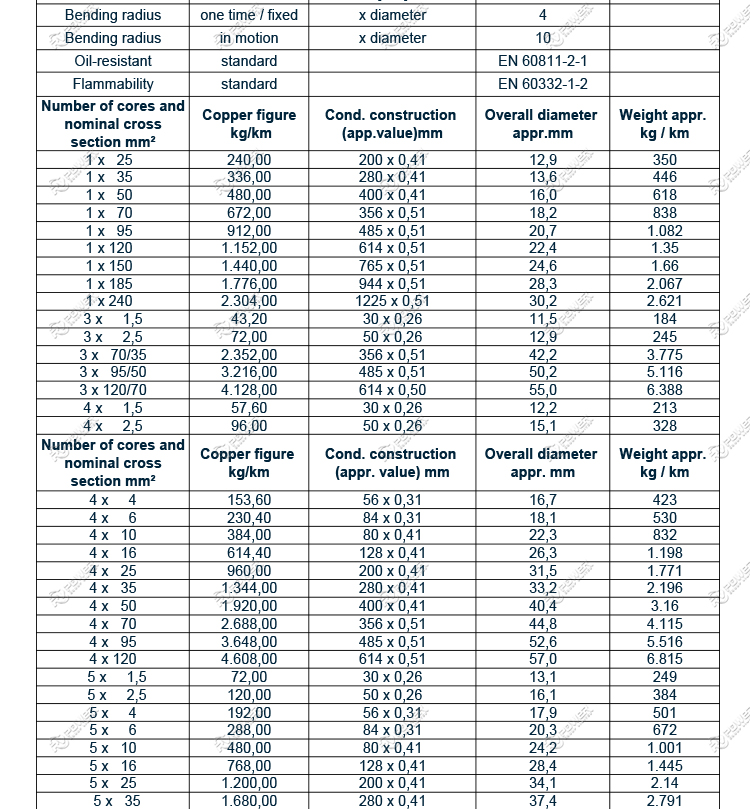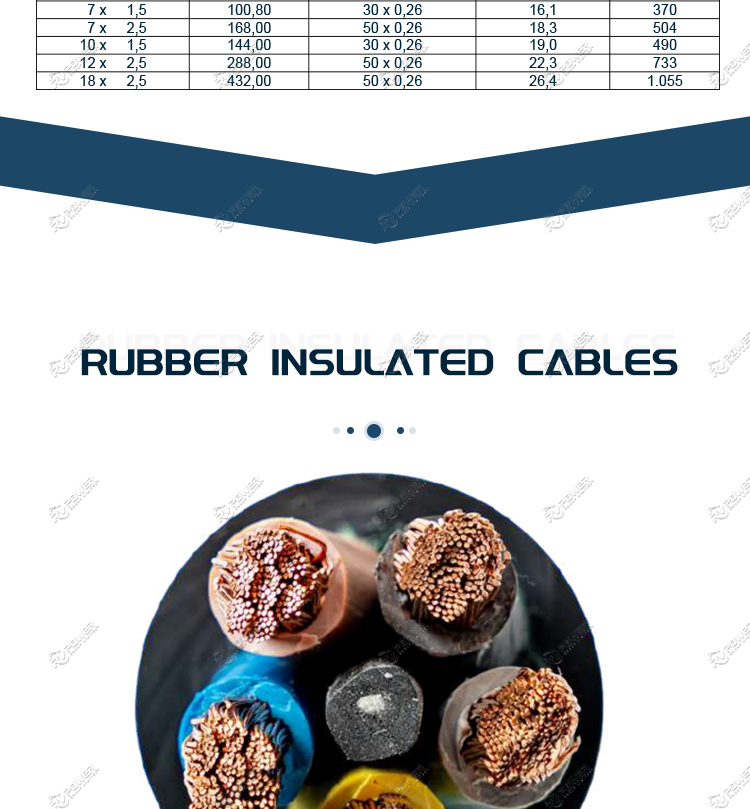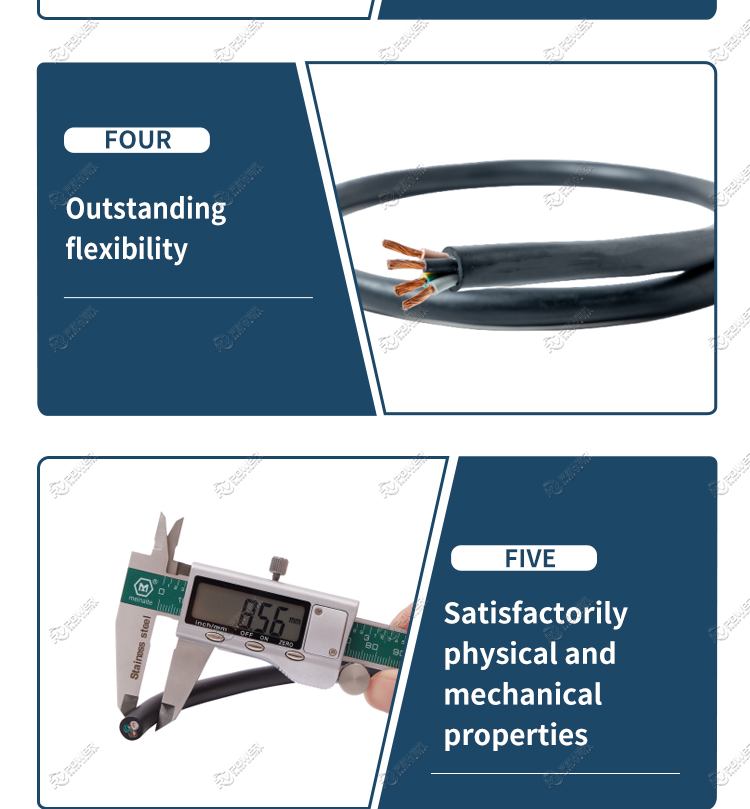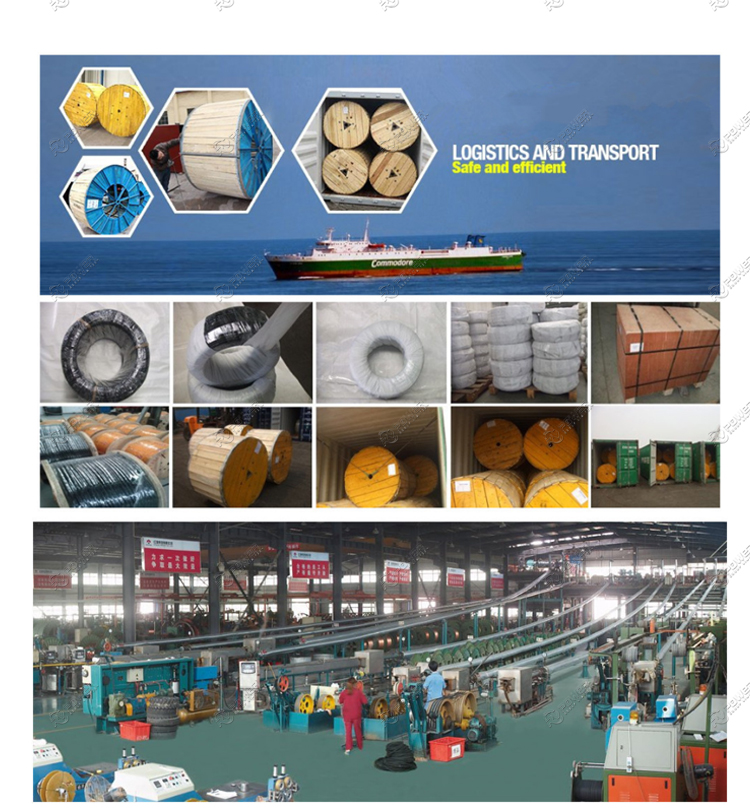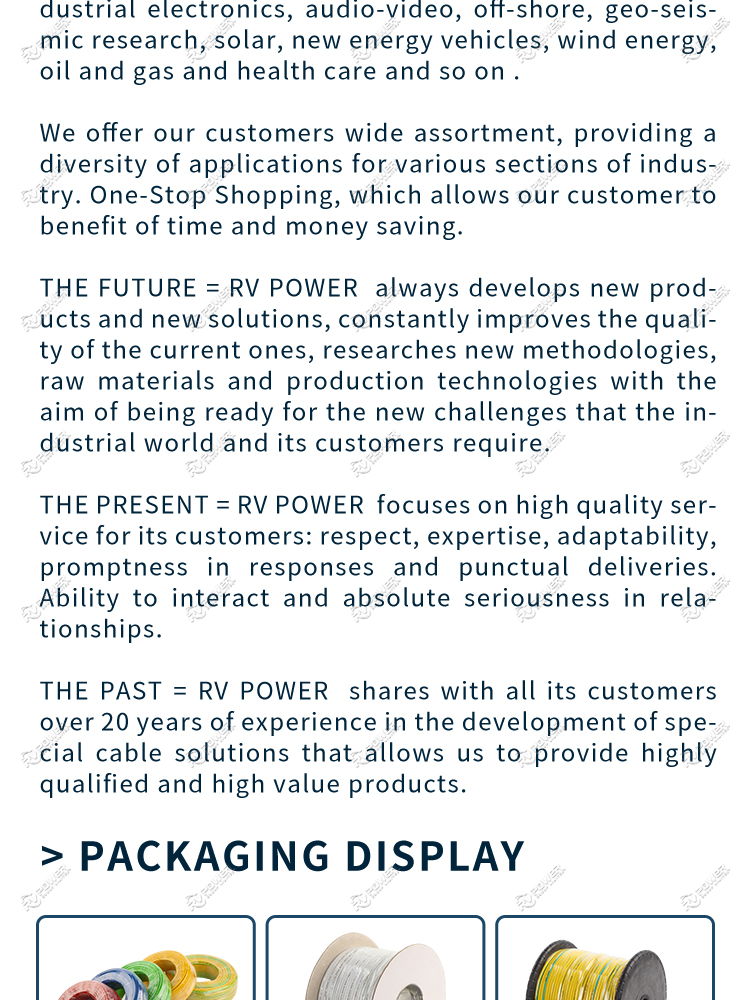
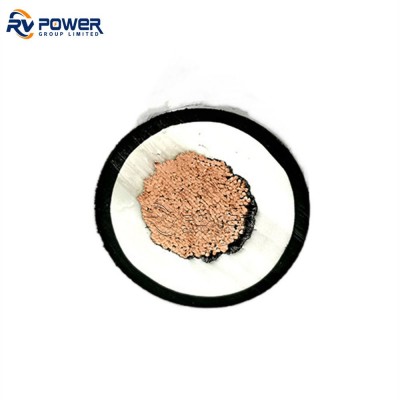
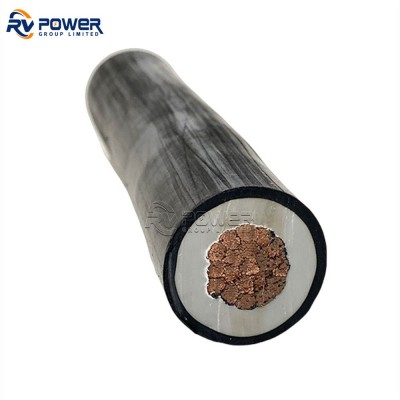
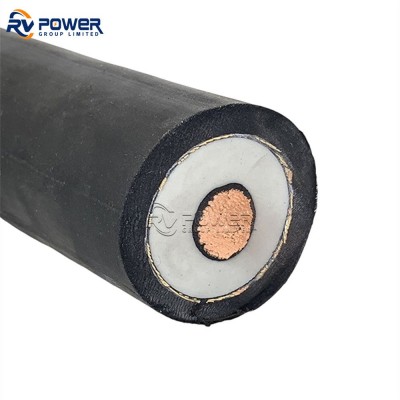
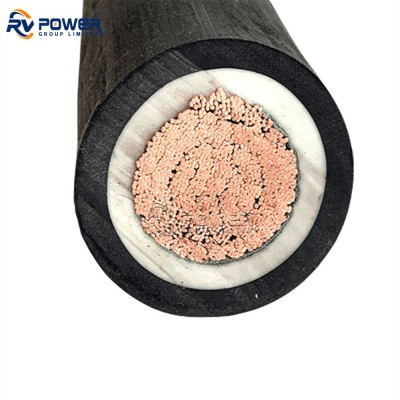
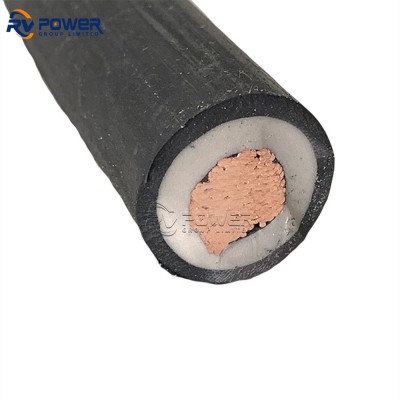
Railway power rubber cables are purpose-engineered flexible cables for the demanding electrical systems of locomotives, EMUs, DMUs, metro carriages, light rail vehicles, and trackside equipment. These cables survive extreme vibration, wide temperature swings, aggressive chemicals, fire hazard conditions, and continuous flexing — requirements that far exceed those of standard industrial rubber cables.
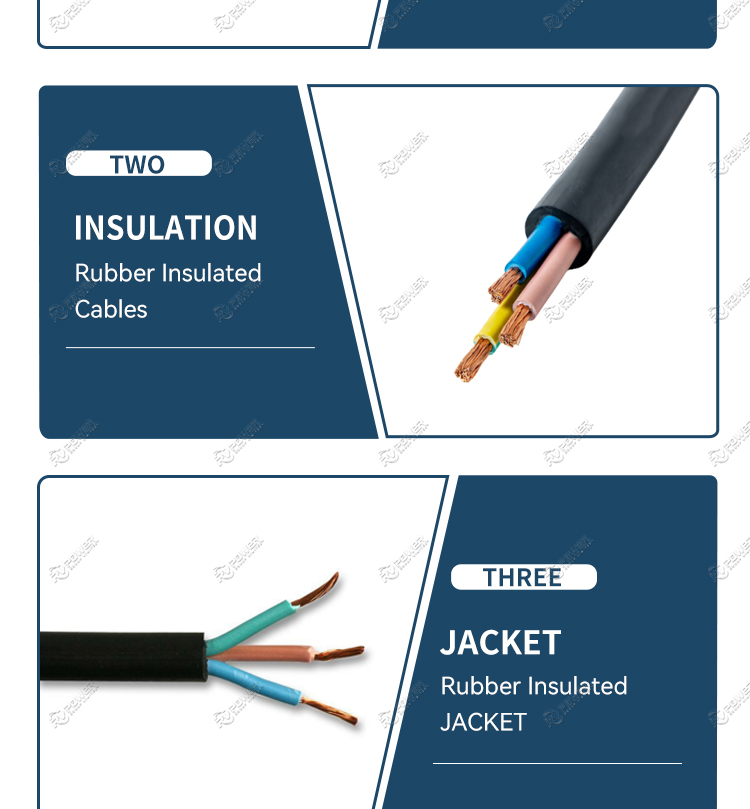
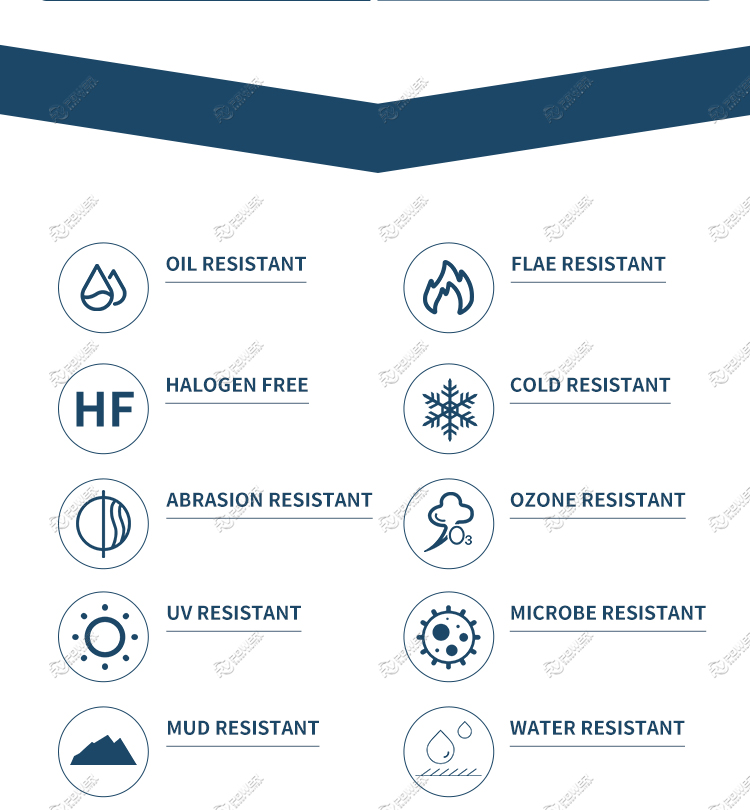
Our railway rubber cables comply with EN 50264, IEC 60228, BS 6195, and VDE 0115. Construction features include silicone rubber or EPDM insulation, cross-linked polyolefin or elastomeric outer sheaths, and compliance with EN 45545-2 fire performance requirements for rolling stock.
| Parameter | Value |
|---|---|
| Rated Voltage | 300/500V to 3.6/6 kV |
| Insulation | Silicone rubber or EPDM |
| Sheath | Cross-linked LSOH elastomer |
| Temp. Range | ‑50°C to +125°C |
| Fire Performance | EN 45545-2 HL1/HL2/HL3 |
| Standard | EN 50264, BS 6195, VDE 0115 |
EN 45545-2 defines HL1 (low risk), HL2 (standard passenger), and HL3 (high risk, underground/enclosed). Metro and underground railway applications typically require HL3 — the most stringent fire and smoke performance level.