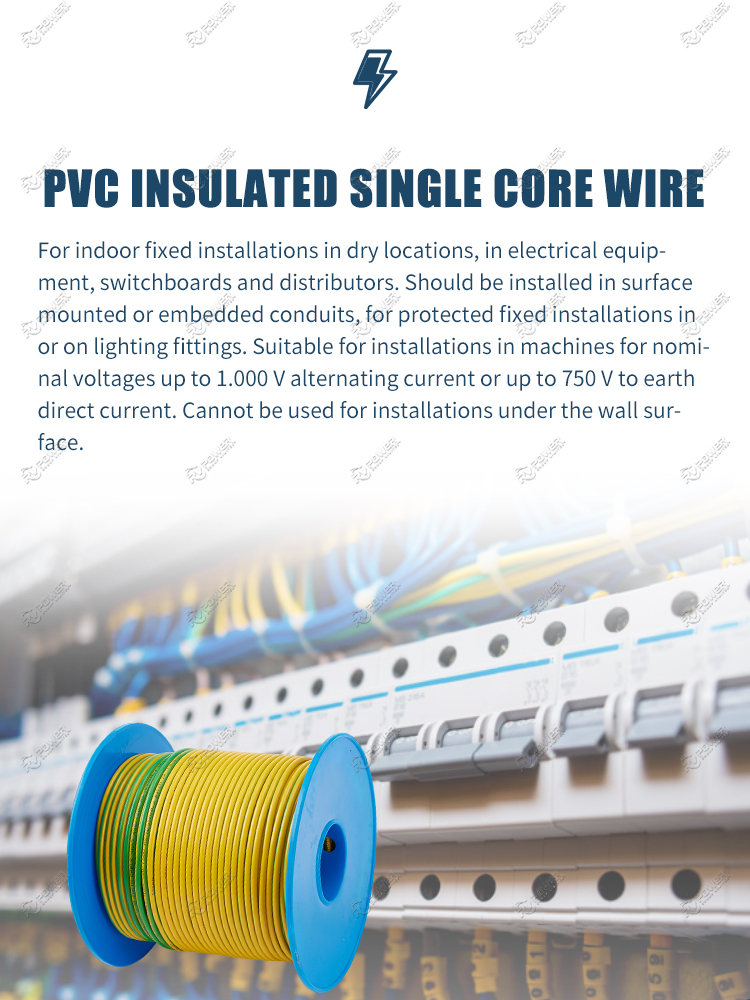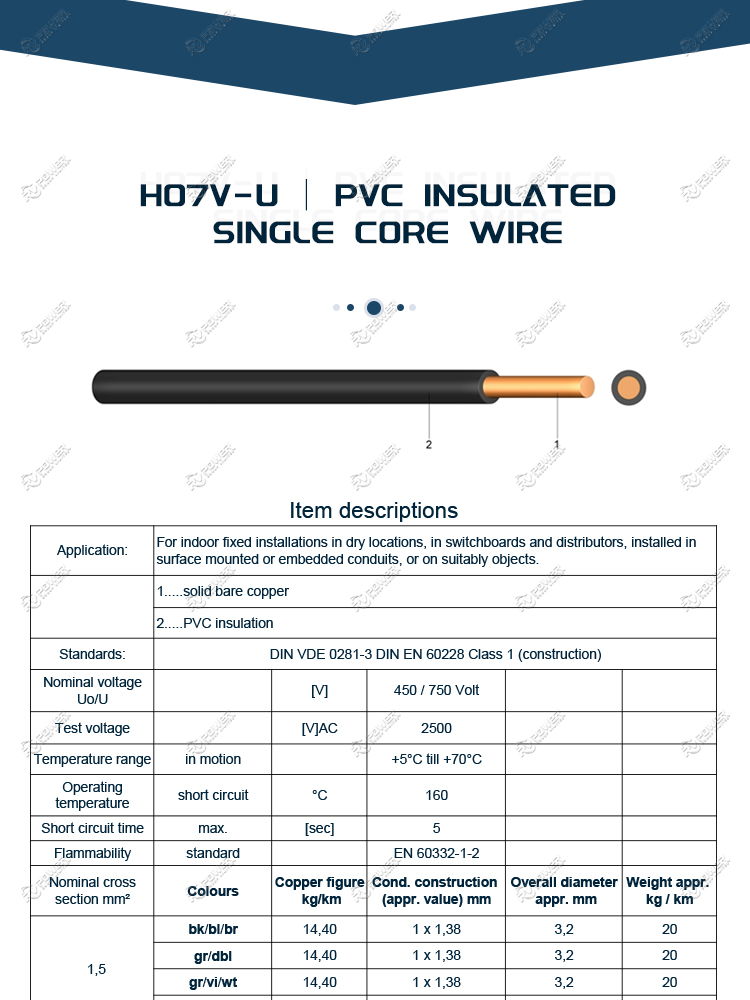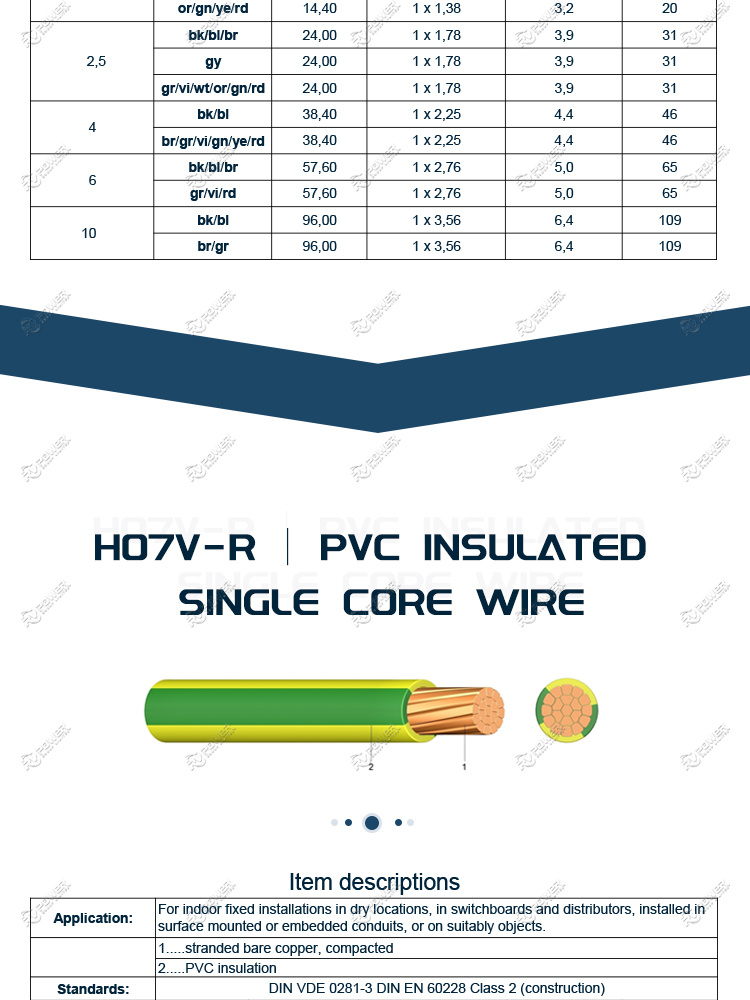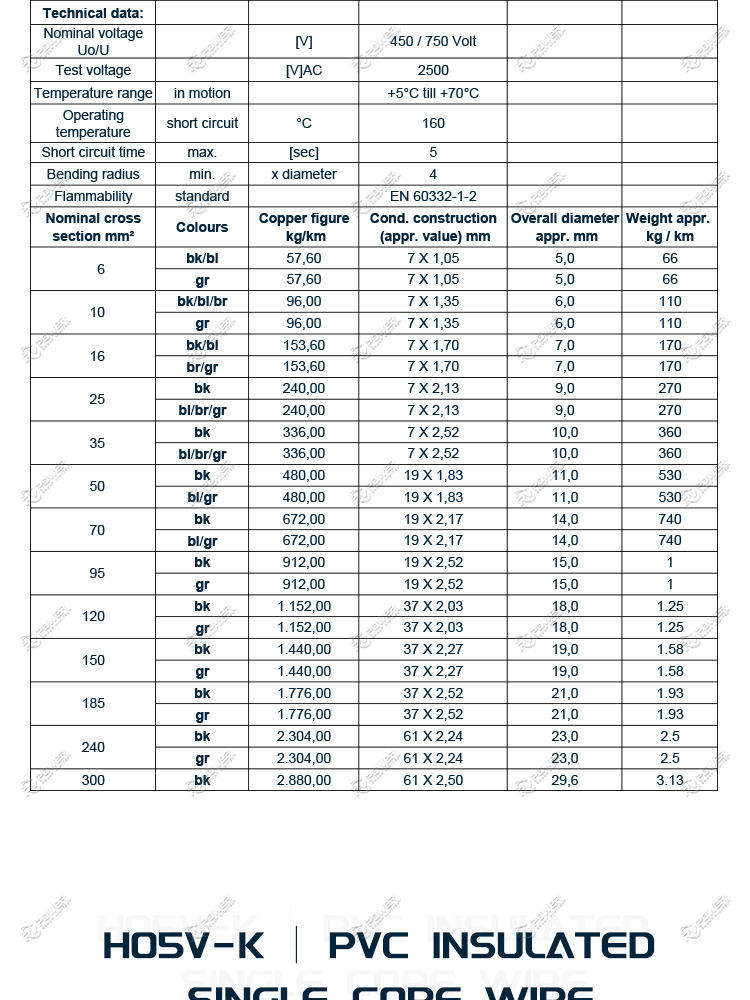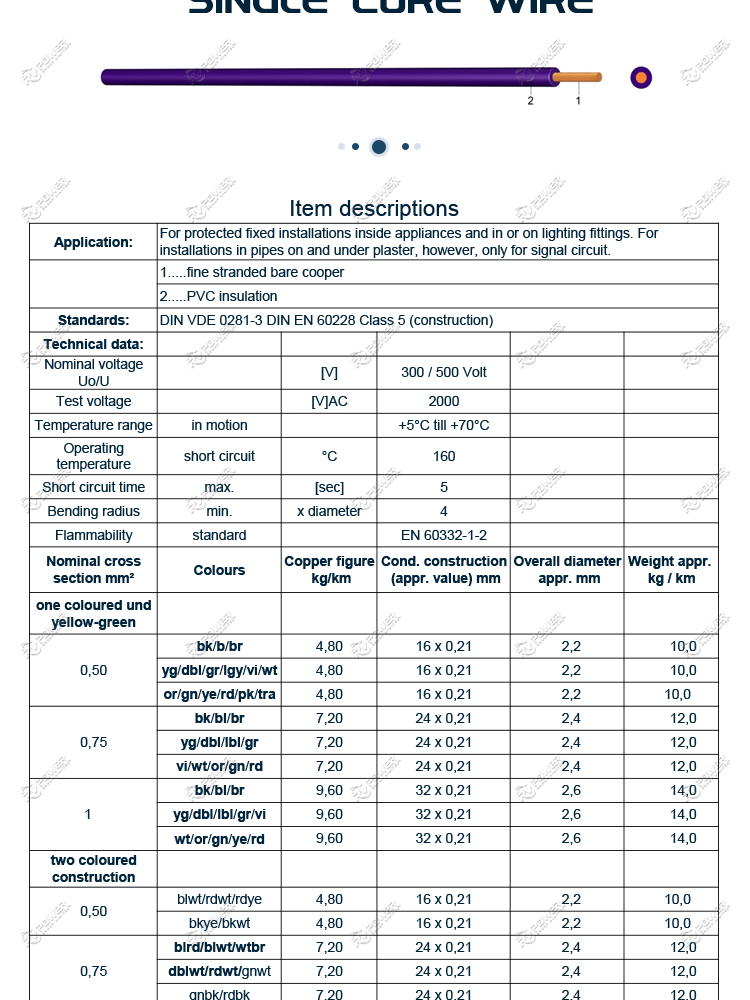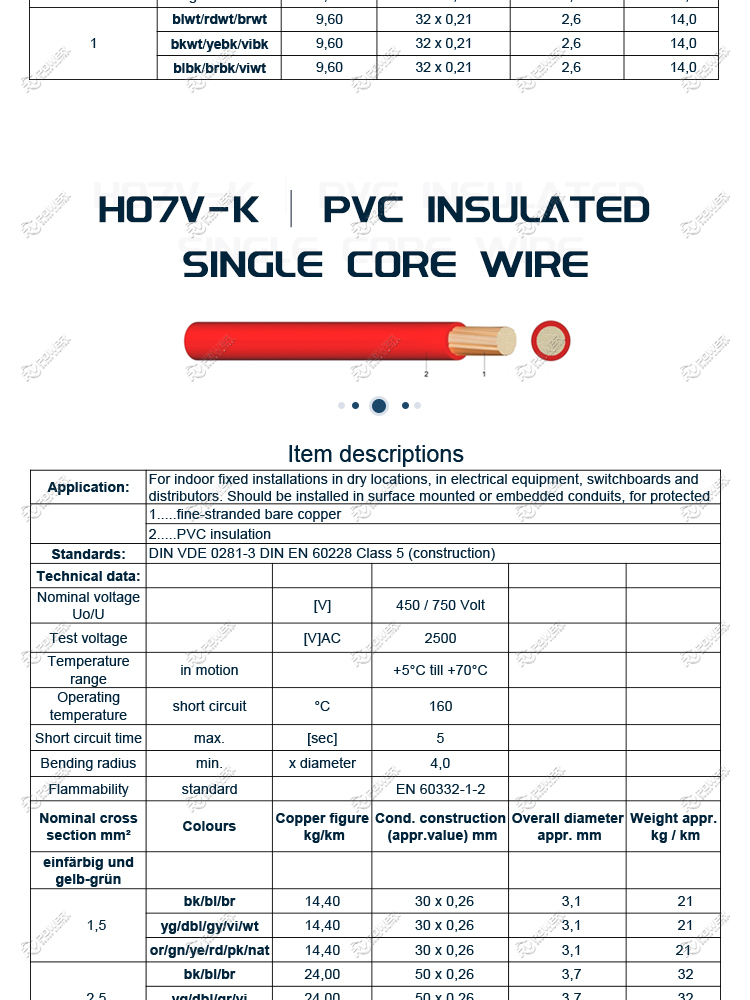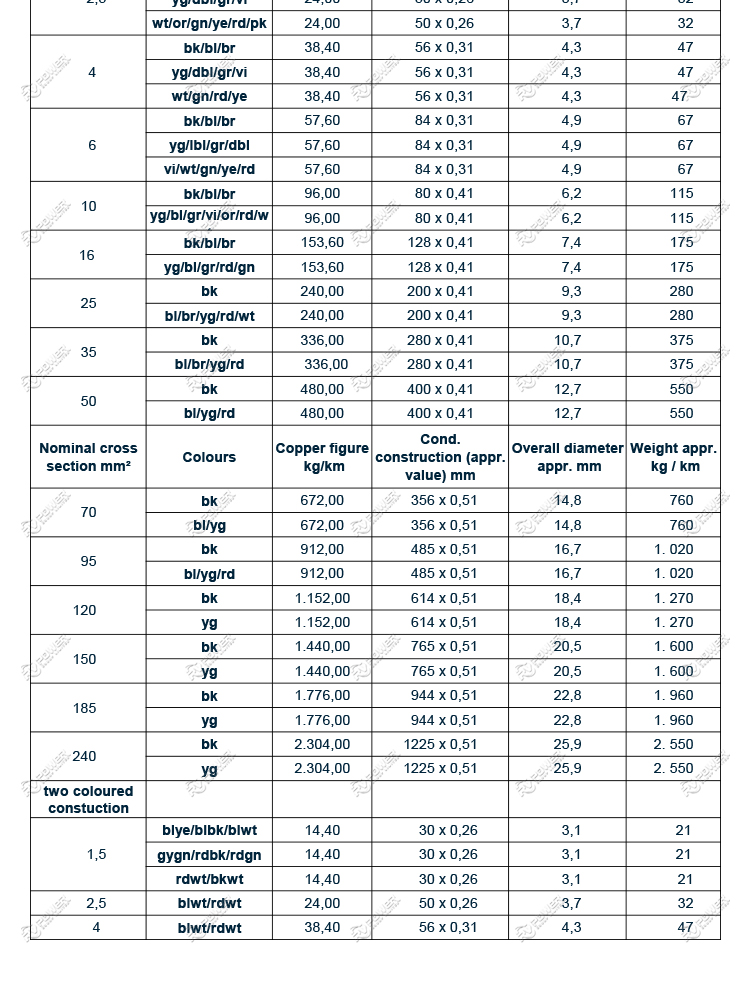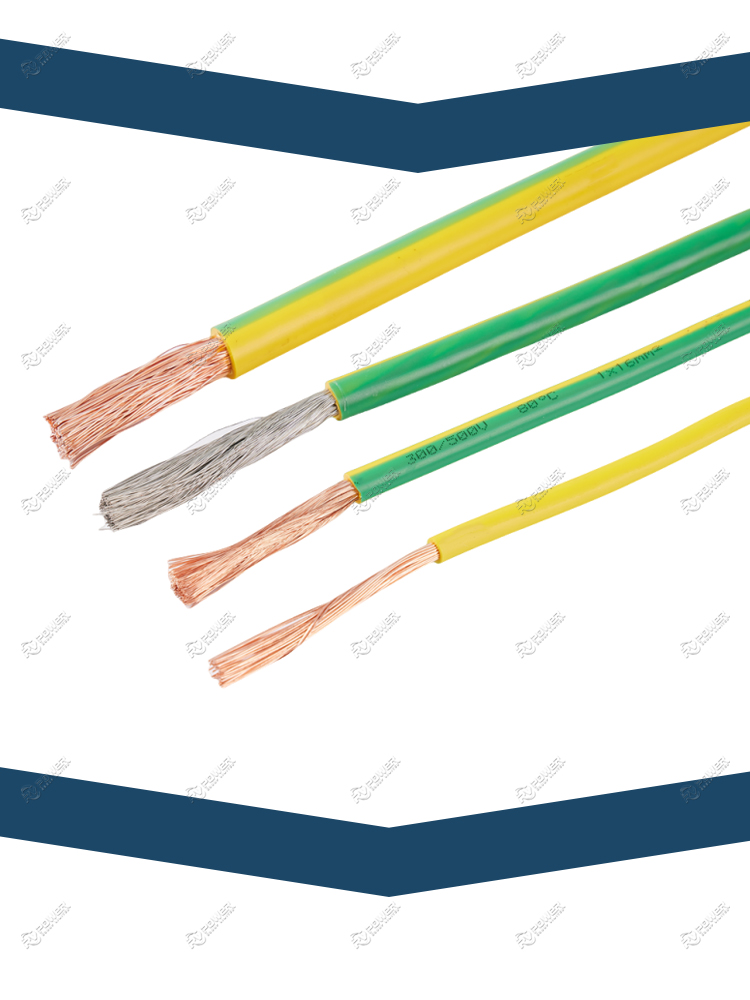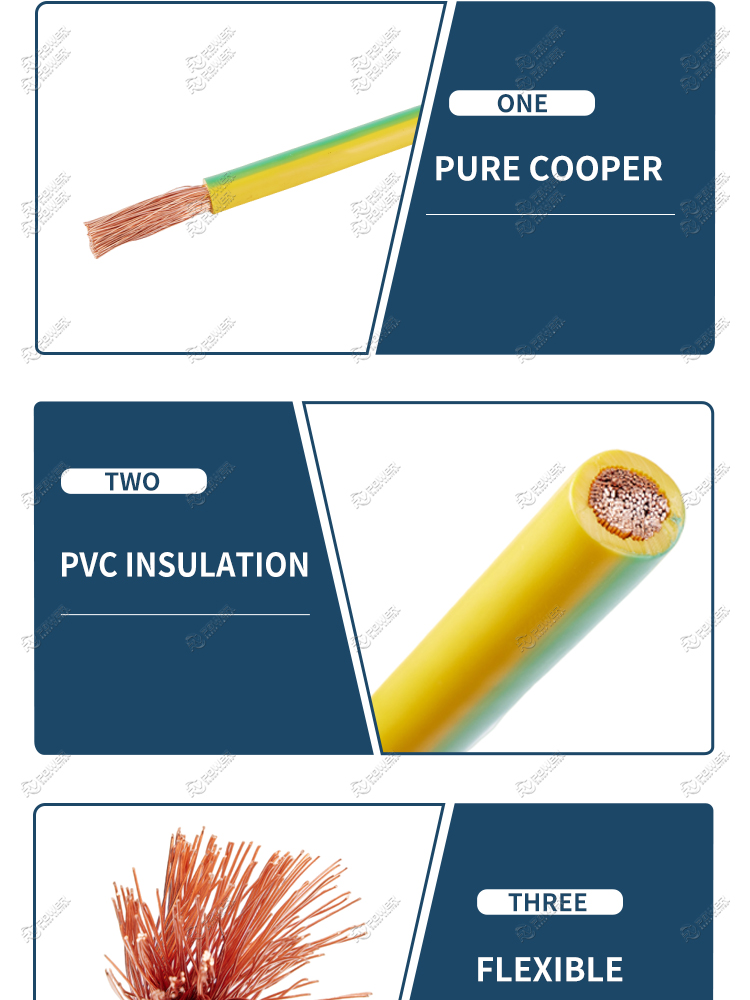

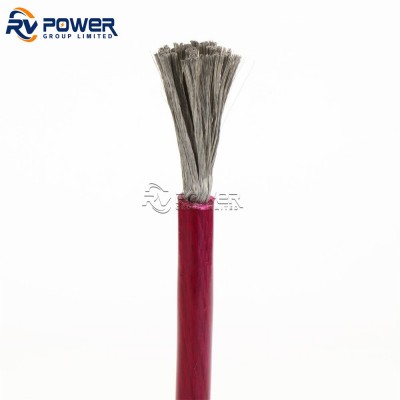
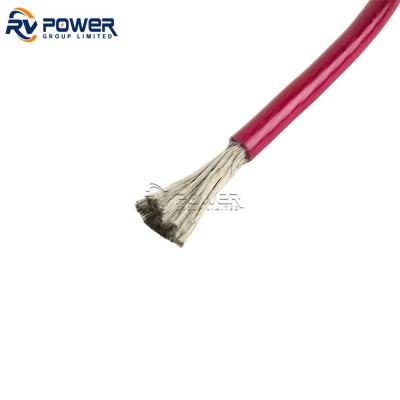
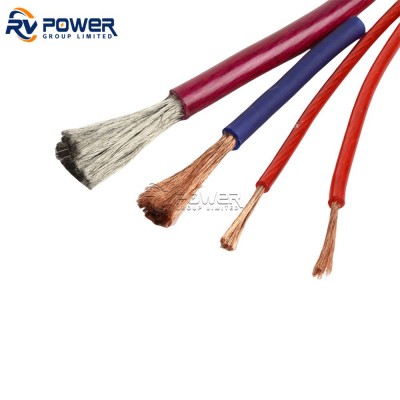
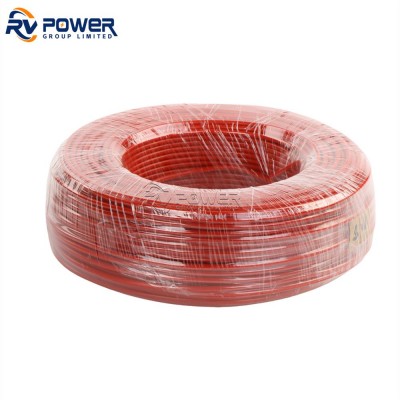
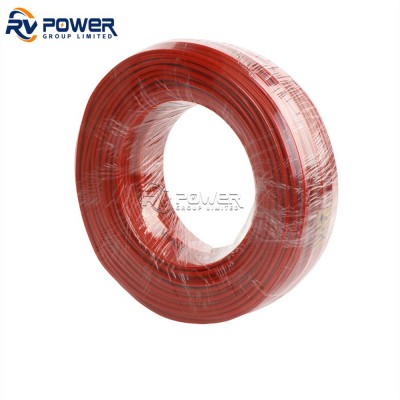
Copper-clad aluminum (CCA) single core PVC insulated cable. Lighter and lower cost than solid copper. For non-critical fixed wiring, antenna feeders, and applications where CCA is an acceptable conductor material.
Copper-clad aluminum (CCA) conductors consist of an aluminum core with a thin layer of copper bonded to the outer surface. This construction provides the low contact resistance of copper at termination points — where the copper layer makes contact with terminals and connectors — while the aluminum core reduces the overall weight and cost of the conductor compared to solid copper.
CCA conductors have approximately 60% of the conductivity of solid copper at the same cross-section, so CCA cables must be upsized relative to copper equivalents for the same current capacity. They are not suitable as a direct replacement for copper in all applications — CCA is not compliant with IEC 60228 Class 1/2/5 copper conductor standards, and must be specified explicitly as CCA where used.
| Parameter | CCA Value | vs Copper |
|---|---|---|
| Conductivity | ~60% IACS | 100% IACS |
| Weight (35mm²) | ~180 g/m | ~310 g/m |
| Rated Voltage | 300/500V–450/750V | Same |
| Max Temp | 70°C | 70°C |
CCA cable must be upsized by approximately 25–30% in cross-section to carry the same current as a copper equivalent. Using CCA at copper current ratings will result in overheating. Always confirm the current capacity of the specific CCA cable with the manufacturer's data sheet.
CCA is not accepted as a replacement for copper in IEC 60364 wiring installations in many jurisdictions, is not suitable for crimped aluminium compression joints, and is not recommended for small cross-sections below 4mm² where the aluminum core is too thin to provide reliable mechanical strength.