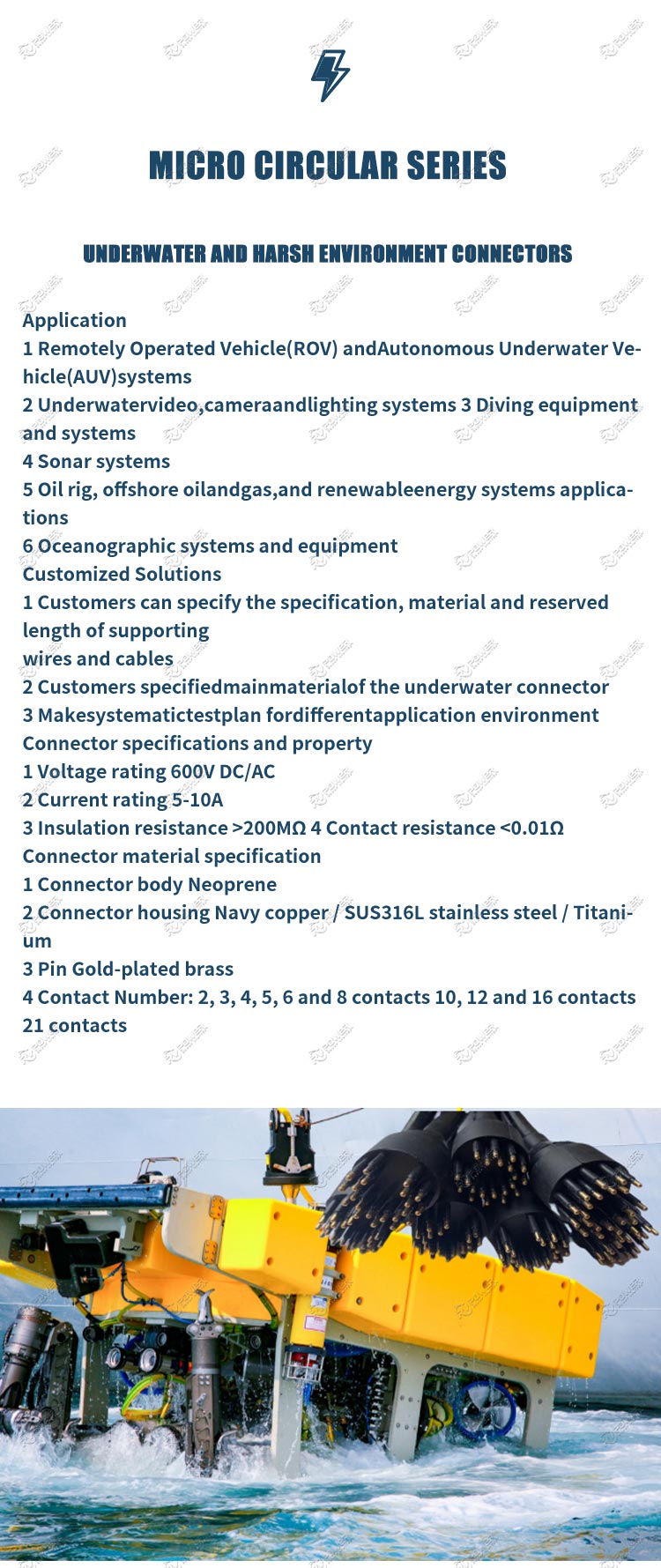
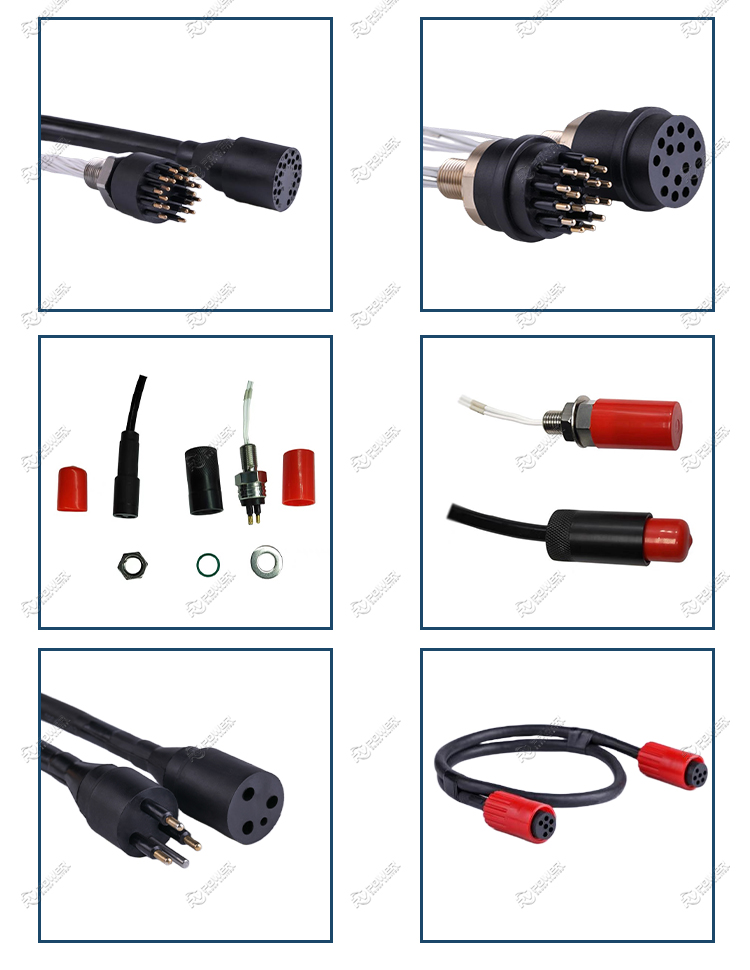
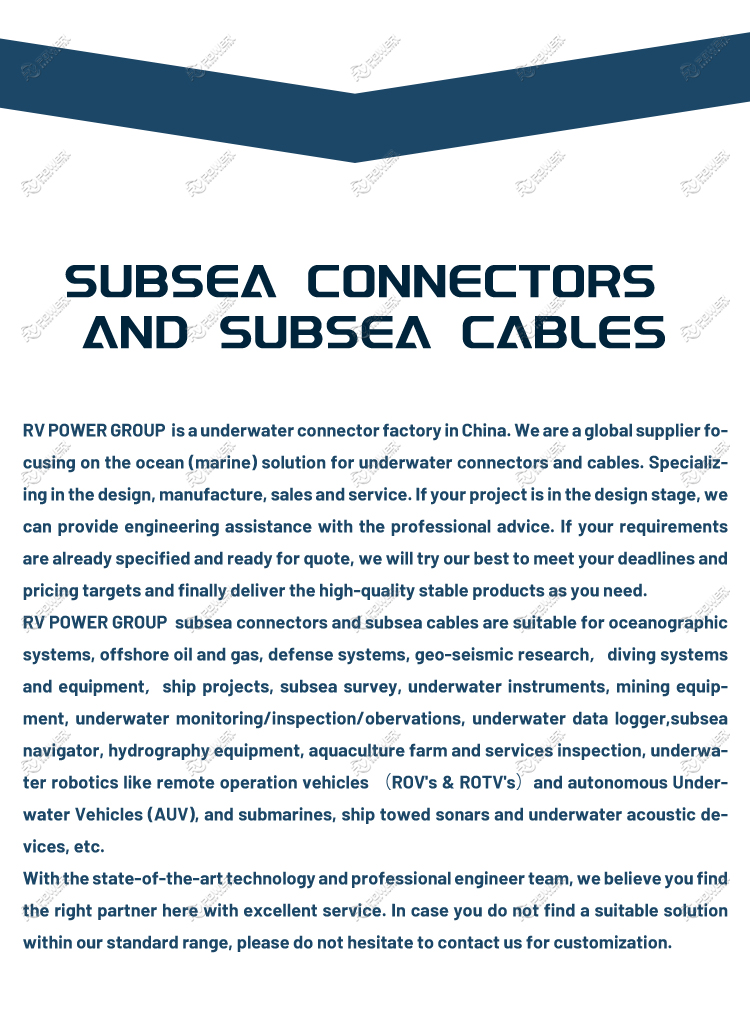
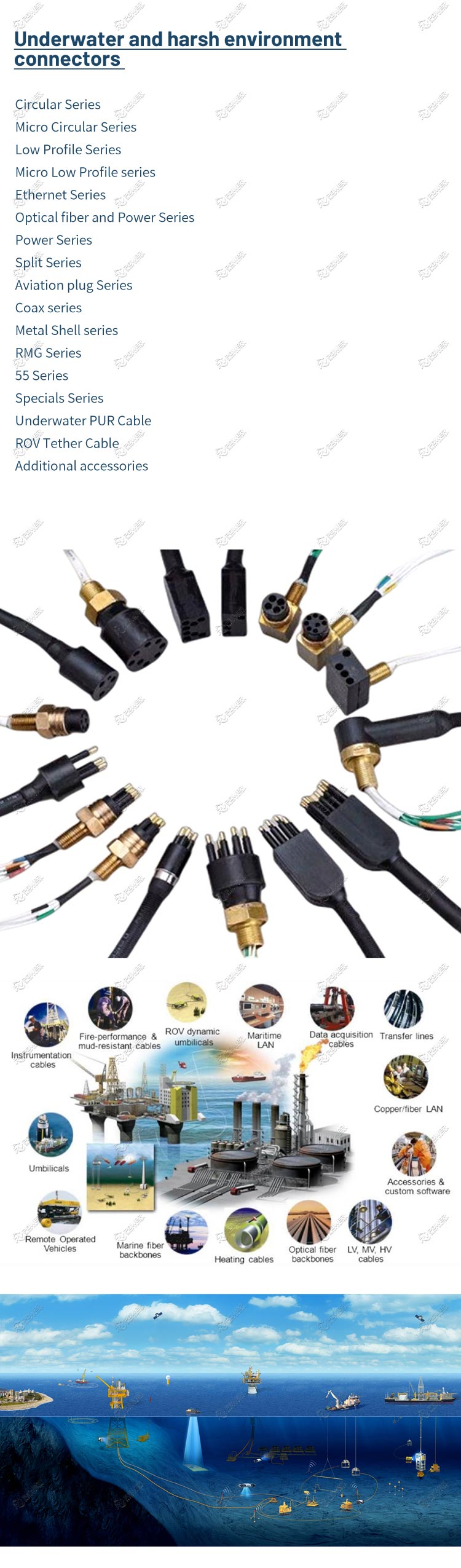
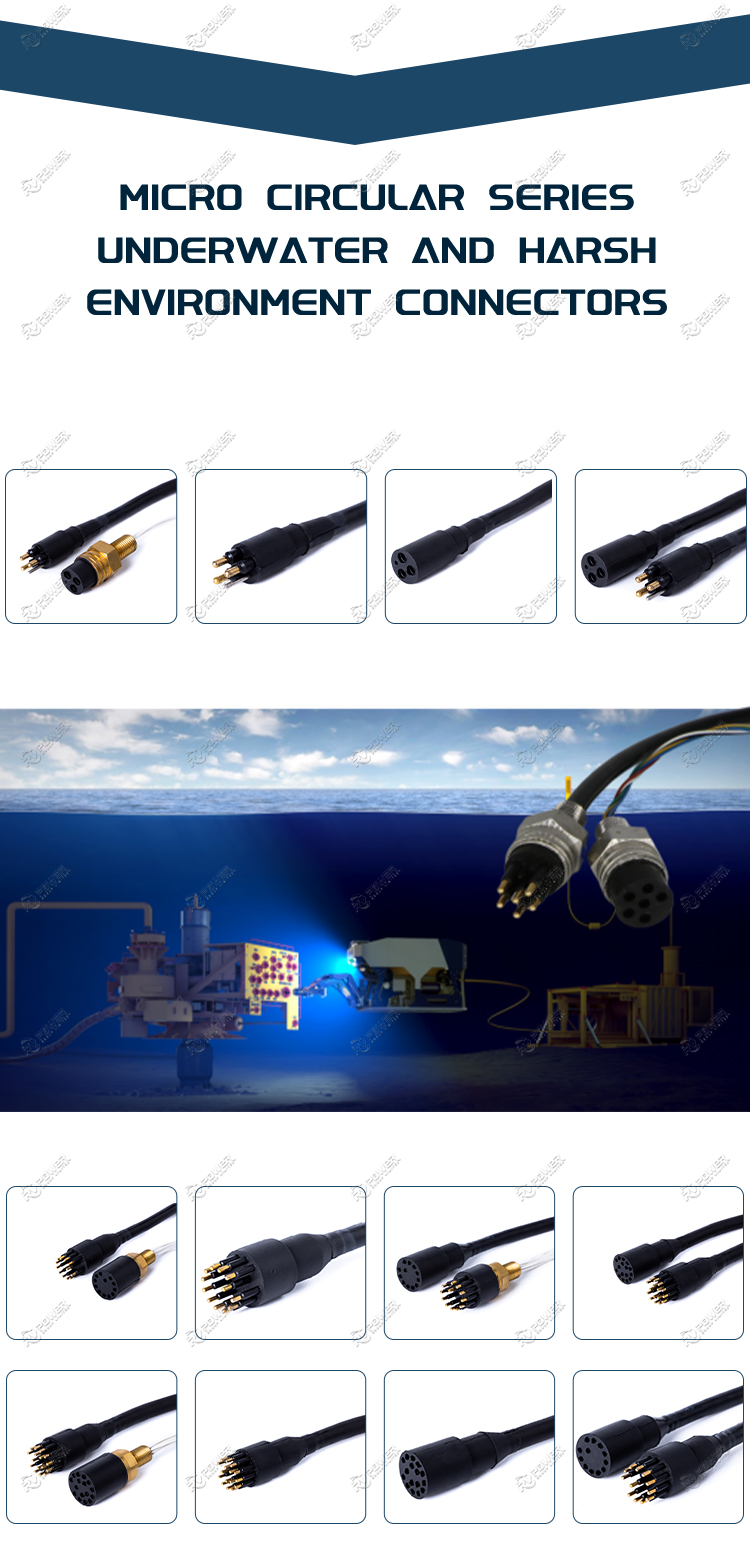
MCIL3F Micro Circular In-Line Connector — Overview
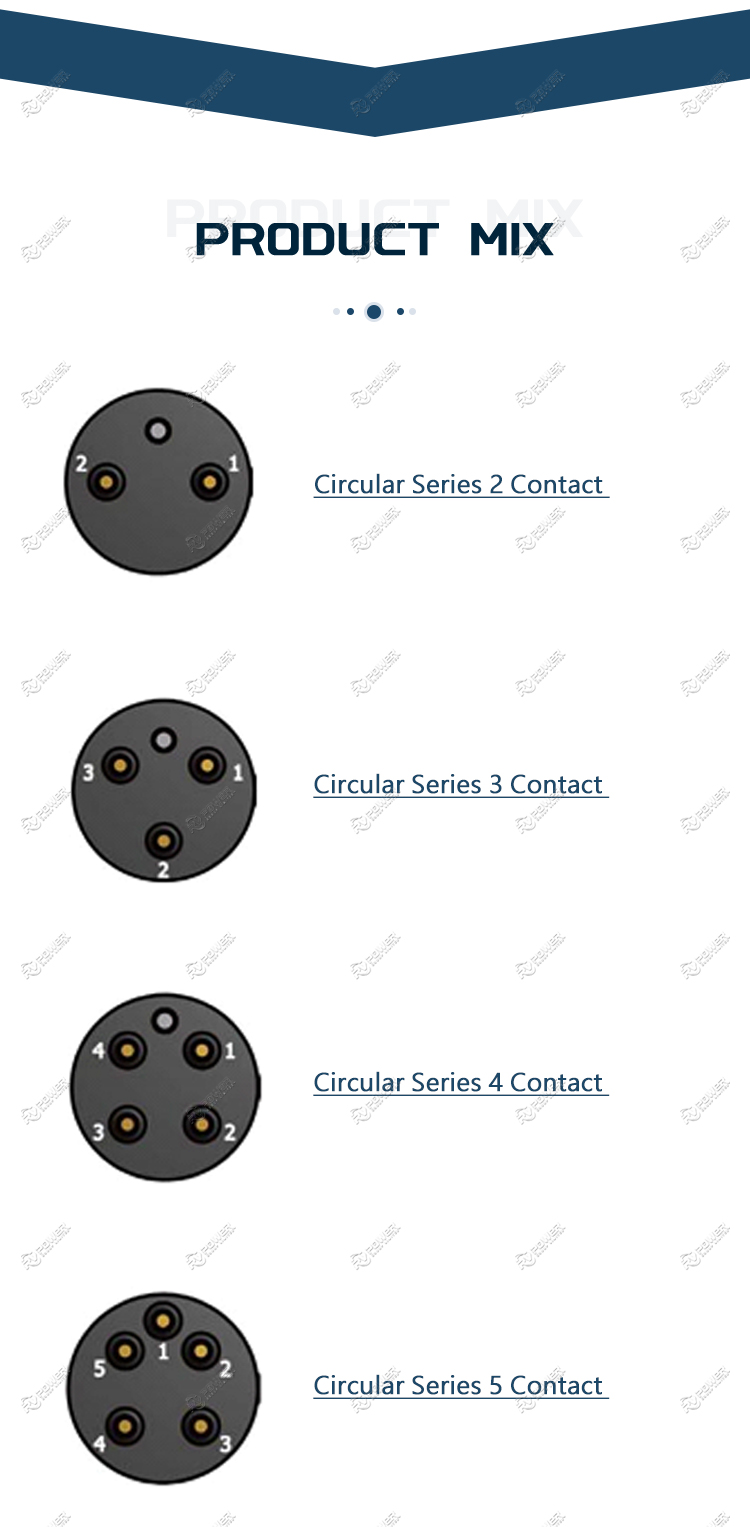
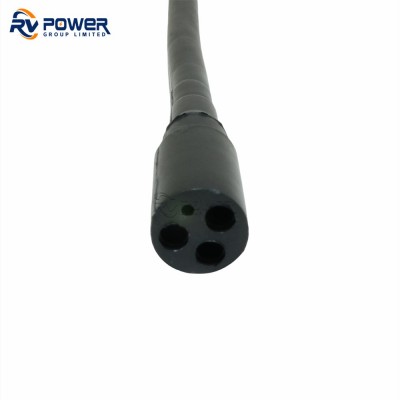
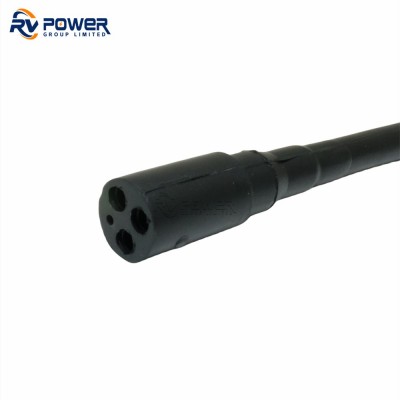
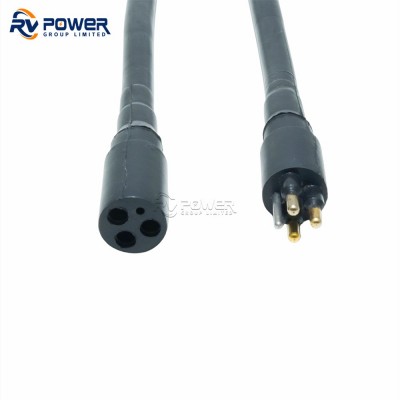
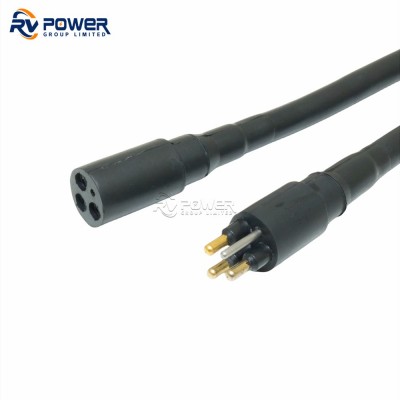
The MCIL3F is a 3-contact Micro Circular In-Line Female subsea connector for direct cable-to-cable connections in compact underwater systems. Rated to 300V / 10A per contact with a 1,400 Bar design depth, it enables reliable mid-run power and signal connections without the need for panel mounting or pressure housing penetrations — ideal for AUV tether interfaces, compact instrument cable harnesses, and subsea sensor cable networks.
Gold-plated contacts and chloroprene rubber construction deliver 500+ wet mating cycles with insulation resistance consistently above 200 MΩ.
3 Contacts
300V AC/DC
10A/contact
1,400 Bar Design Depth
500+ Wet Matings
Gold-Plated Contacts
Key Design Features
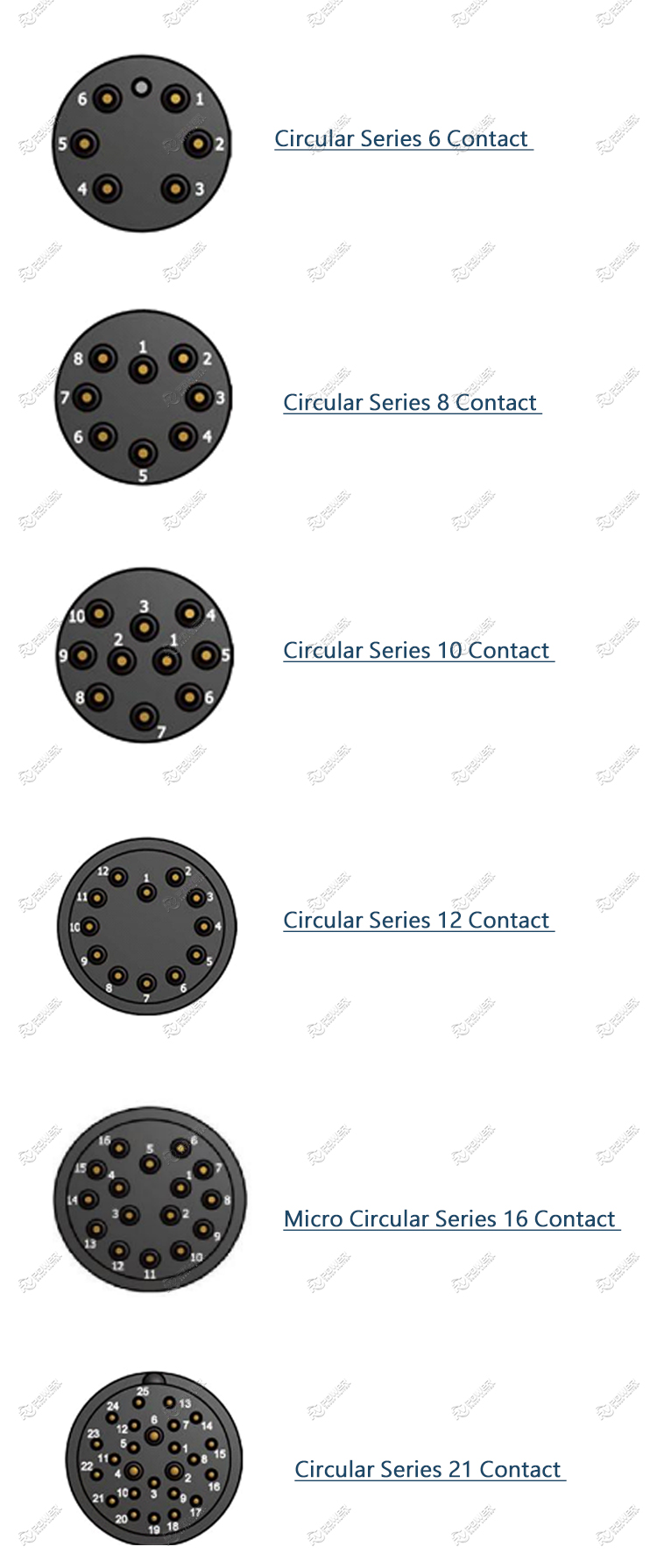
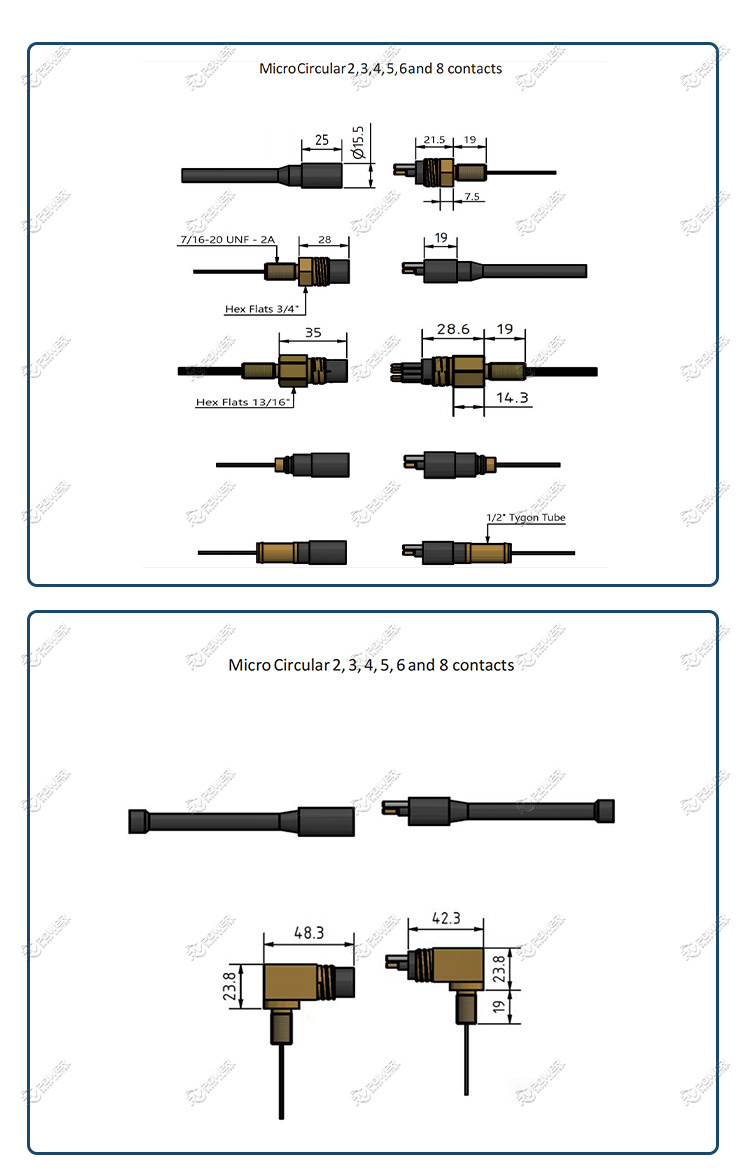
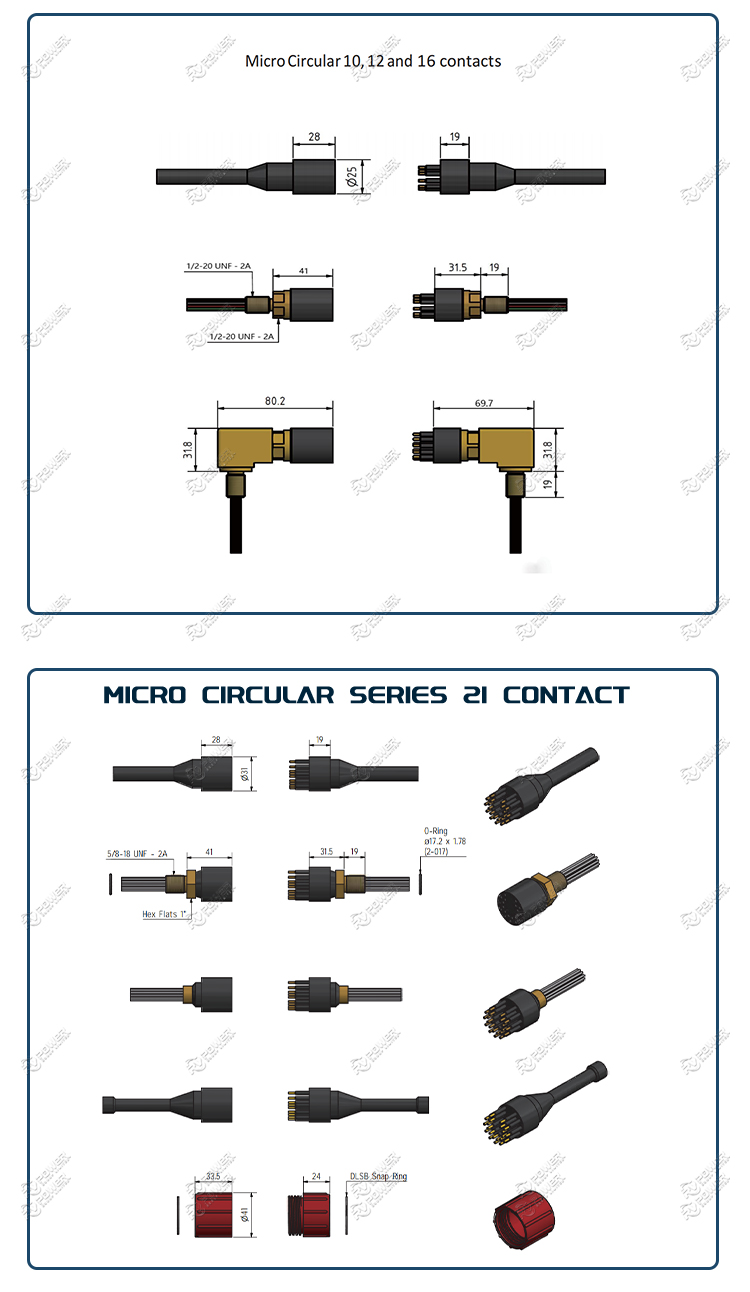
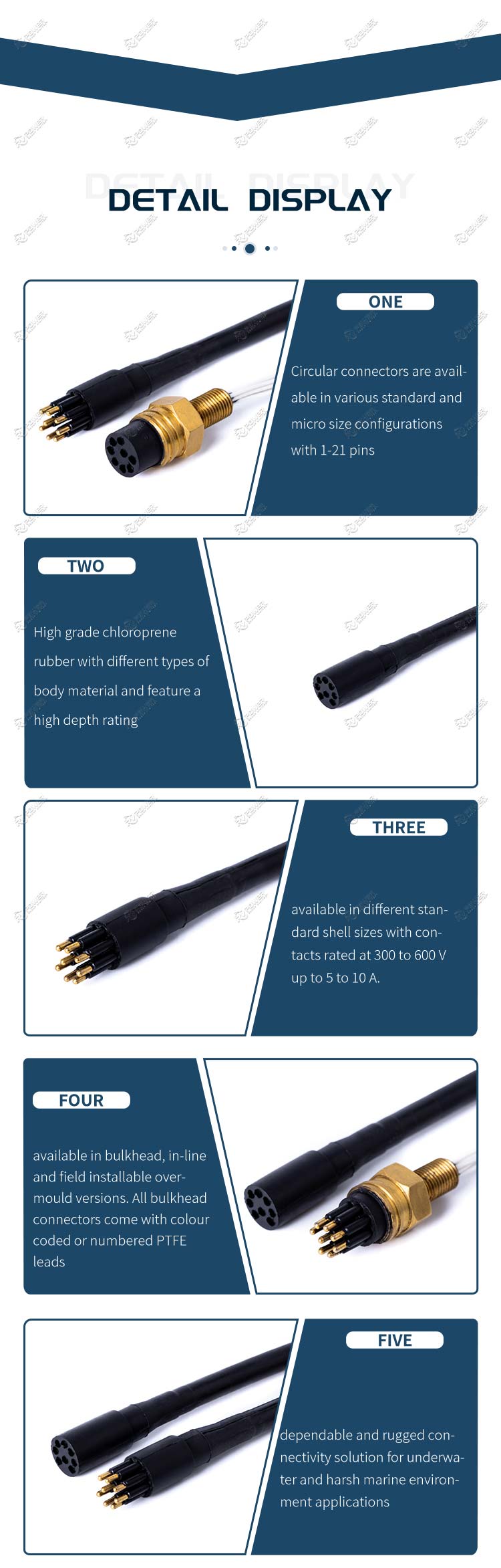
- Micro Circular In-Line Female — direct cable-to-cable termination with compact footprint, no panel mount required
- 3-contact configuration — 300V / 10A per contact, flexible allocation for mixed power and signal circuits
- 1,400 Bar design depth (mated) — qualified to 1,400 Bar / 20,300 psi hydrostatic pressure; PEEK variant rated 300 Bar
- 800 Bar open-face pressure — unmated face withstands 800 Bar / 11,600 psi
- 500+ wet mating cycles — qualified for repeated in-situ connection/disconnection in seawater
- Gold-plated copper alloy contacts — contact resistance < 10 mΩ, corrosion-immune in full ocean salinity
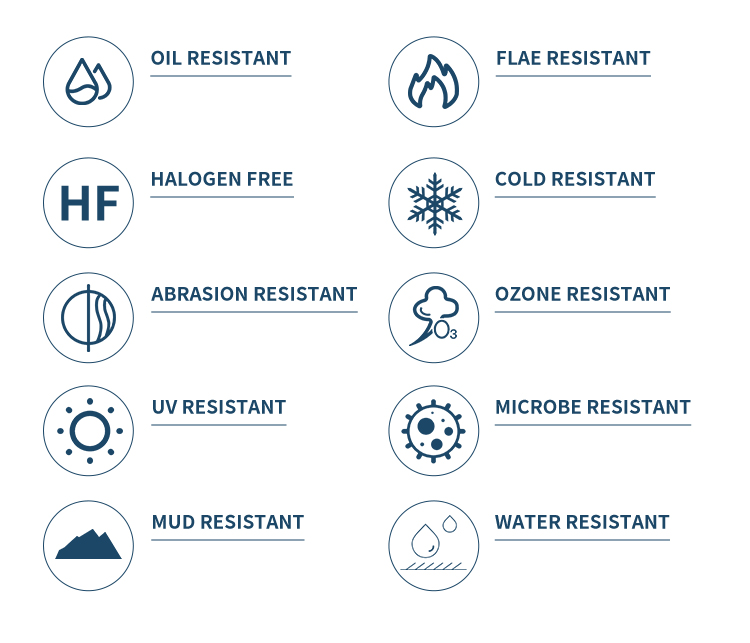
- Chloroprene rubber body — resists seawater, hydraulic oils, biofouling; stable from -40°C to +60°C
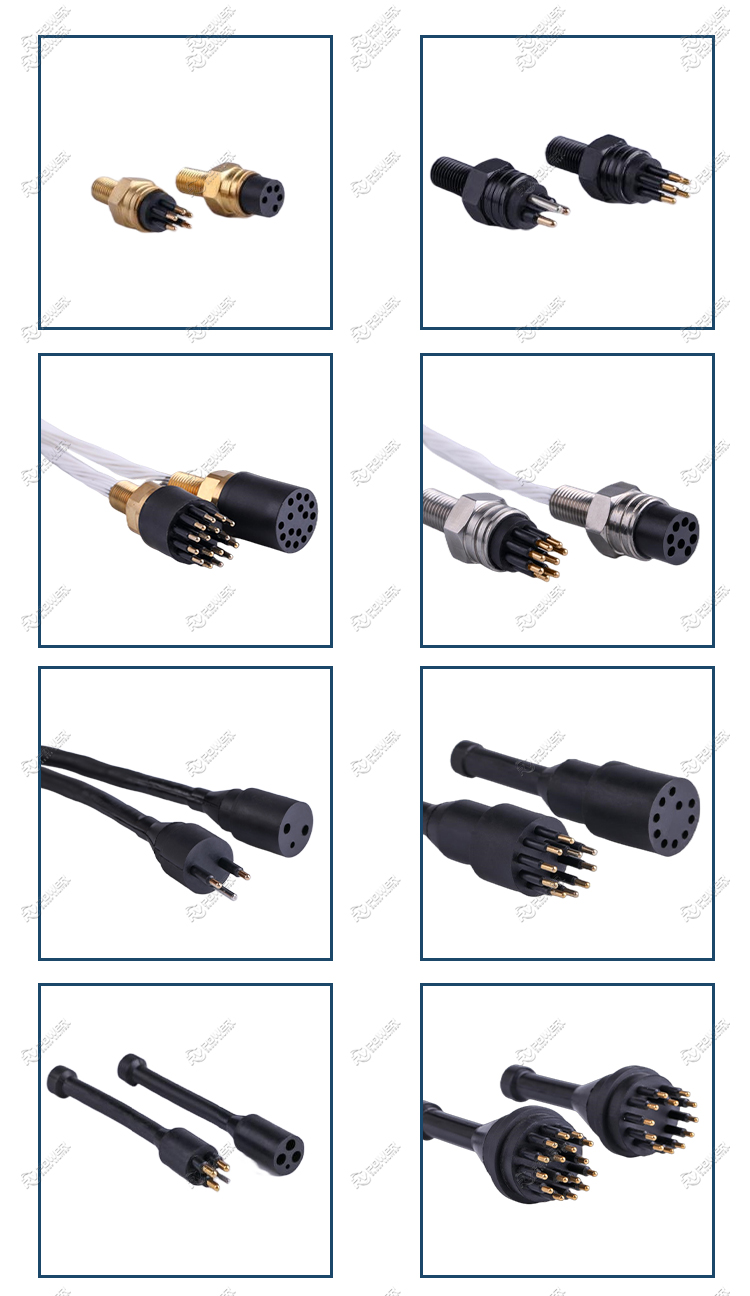
- Body material options: brass, stainless steel, titanium, anodised aluminium, PEEK
Electrical & Mechanical Specifications
| Parameter | Specification |
|---|
| Number of Contacts | 3 |
| Rated Voltage | 300V DC/AC rms |
| Rated Current (per contact) | 10A |
| Maximum Current (connector) | 20A |
| Insulation Resistance | > 200 MΩ |
| Contact Resistance | < 10 mΩ per contact |
| Design Depth (mated) | 1,400 Bar / 20,300 psi |
| Open Face Pressure | 800 Bar / 11,600 psi |
| PEEK Variant Depth | 300 Bar / 4,350 psi |
| Wet Matings | > 500 cycles |
| Operating Temperature (water) | -4°C to +60°C |
| Operating Temperature (air) | -40°C to +60°C |
| Contact Material | Gold-plated copper alloy |
| Body Material | Chloroprene rubber; options: brass, SS, titanium, aluminium, PEEK |
| Sealing | Single O-ring — standard chloroprene overmold seal |
| Connector Style | Micro Circular In-Line — Female (Cable Mount) |
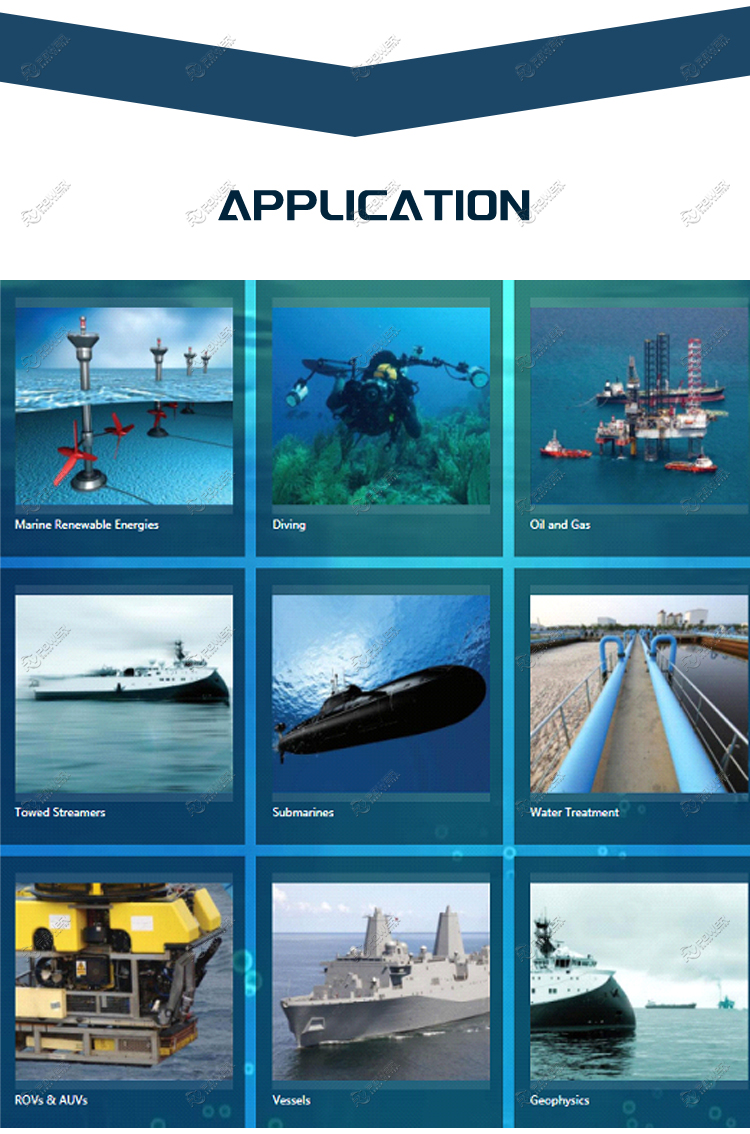
Typical Applications
- AUV tether cable-to-payload 3-circuit power and signal connections in compact harness designs
- Micro-ROV umbilical cable mid-run 3-circuit splice and distribution points
- Compact subsea instrument cable-to-sensor power and data connections
- Underwater camera and lighting cable extension joints
- Cabled observatory inter-instrument compact cable connections
- Subsea mooring cable-to-instrument connections in space-limited configurations
- Oceanographic glider inter-module cable connections
- Subsea cable repair joints for compact underwater cable systems
Why Choose the MCIL3F Over Generic Compact Underwater Connectors
1. Compact Form Factor — Purpose-Built for Miniaturised Instruments
The MCIL3F is specifically engineered for the reduced envelope requirements of modern AUV payloads, micro-ROV chassis, compact sensor housings, and space-constrained instrument frames — without sacrificing depth rating, cycle life, or electrical performance.
2. Gold-Plated Contacts — Corrosion-Free at Full Ocean Salinity
Gold-plated copper alloy contacts maintain contact resistance below 10 mΩ throughout the connector's service life, immune to chloride-induced corrosion even after extended seabed deployments. Tin or nickel contacts corrode within weeks in saltwater; gold does not.
3. 1,400 Bar Design Depth — Massive Pressure Safety Margin
Qualified to 1,400 Bar (20,300 psi) when mated — far exceeding the depth requirements of virtually all commercial and research subsea deployments. This margin ensures seals never operate near their failure point across variable-depth profiles and thermal cycles.
4. 500+ Wet Mating Cycles — Field-Proven Reliability
Qualified for more than 500 wet mate/demate cycles in seawater — essential for ROV tooling, instrument servicing, and observatory maintenance where connectors must be connected and disconnected repeatedly in the field.
5. Multiple Body Materials Including Titanium and PEEK
Available in brass, stainless steel, titanium, anodised aluminium, and PEEK, allowing system designers to optimise for weight (titanium, aluminium), chemical resistance (PEEK), or cost (brass) depending on mission requirements.
Complete 3-Contact Micro Circular Connector Family
| Part Number | Description |
|---|
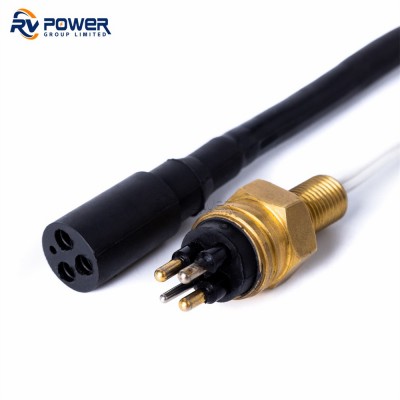
| MCBH3M | 3-Contact Micro Bulkhead Male — panel mount |
| MCBH3F | 3-Contact Micro Bulkhead Female — panel mount |
| MCIL3M | 3-Contact Micro In-Line Male — cable mount |
| MCIL3F | 3-Contact Micro In-Line Female — cable mount |
| MCDC3M | 3-Contact Micro Dummy Male — protective cap |
| MCDC3F | 3-Contact Micro Dummy Female — protective cap |
Installation, Mating, and Maintenance Guidelines
Pre-Mating Inspection
- Inspect both connector faces before every mating cycle — remove debris, biofouling, and salt crystal deposits from contact faces and locking surfaces.
- Check the chloroprene body and O-ring surfaces for cuts, compression set, or delamination. Replace immediately if damage is found.
- Verify contacts are fully seated and free of corrosion or bent pins before mating.
Mating Procedure
- Align the keying feature precisely before applying axial load — misalignment is the primary cause of contact damage in compact circular connectors.
- Apply steady axial pressure until the locking sleeve fully engages. Never force a partially engaged connector.
- For underwater mating: mate slowly to prevent hydraulic pressure spikes across the contact face.
Post-Recovery Maintenance
- Flush connector faces with fresh water immediately after recovery — chloride deposits accelerate oxidation if left to dry.
- Apply dielectric grease to contact faces and O-ring surfaces before extended storage unmated.
- Inspect contacts and body integrity after every 50 mate/demate cycles or 12 months, whichever occurs first.
Request a Quote or Datasheet for the MCIL3F
Contact RV Power Group for pricing, lead times, custom cable assembly options, and full technical documentation. Engineering support available from component selection through system integration.