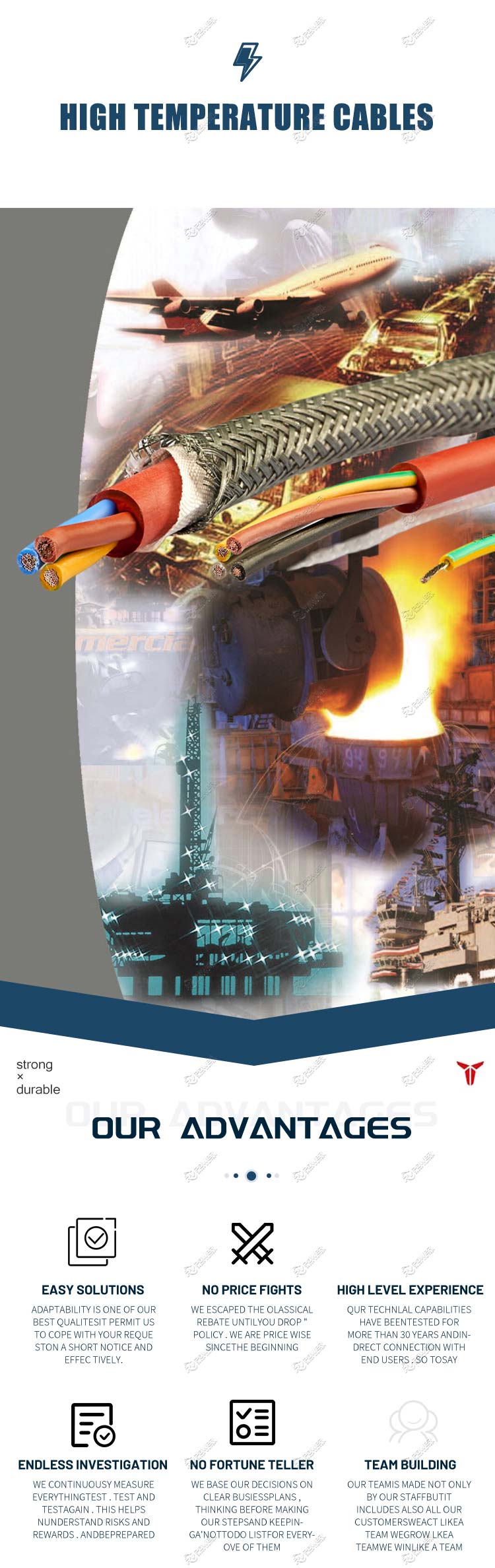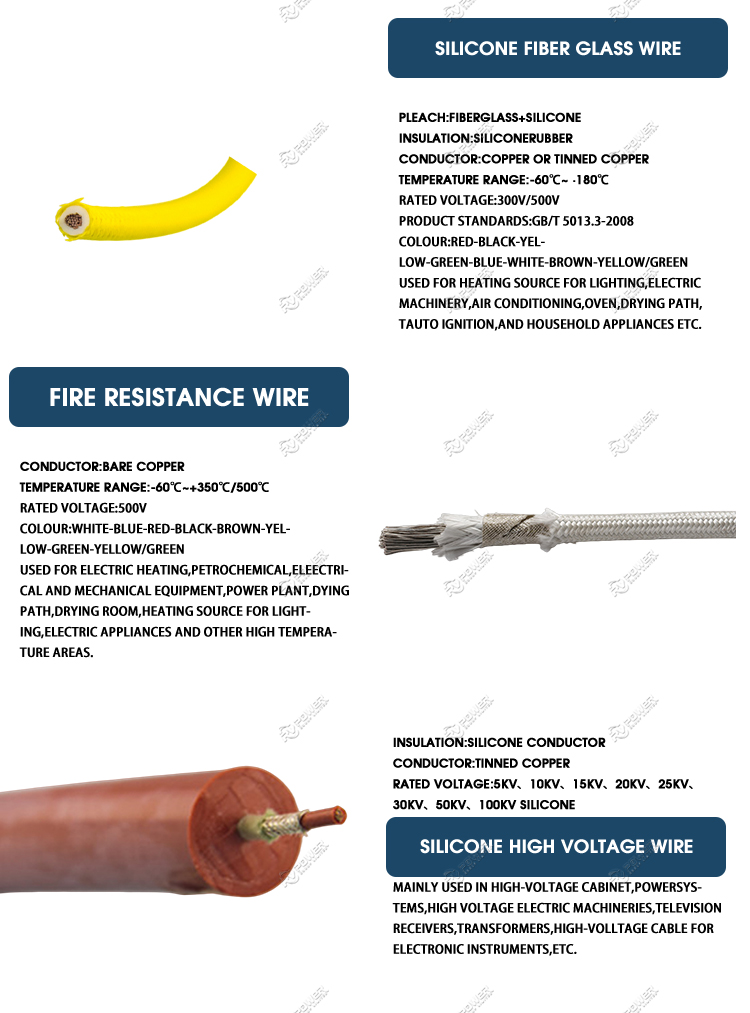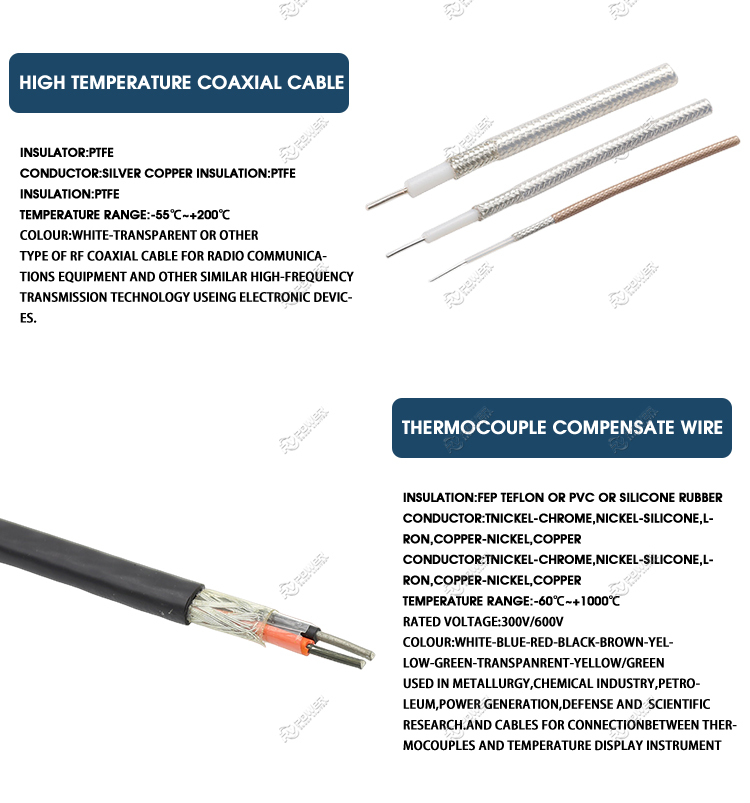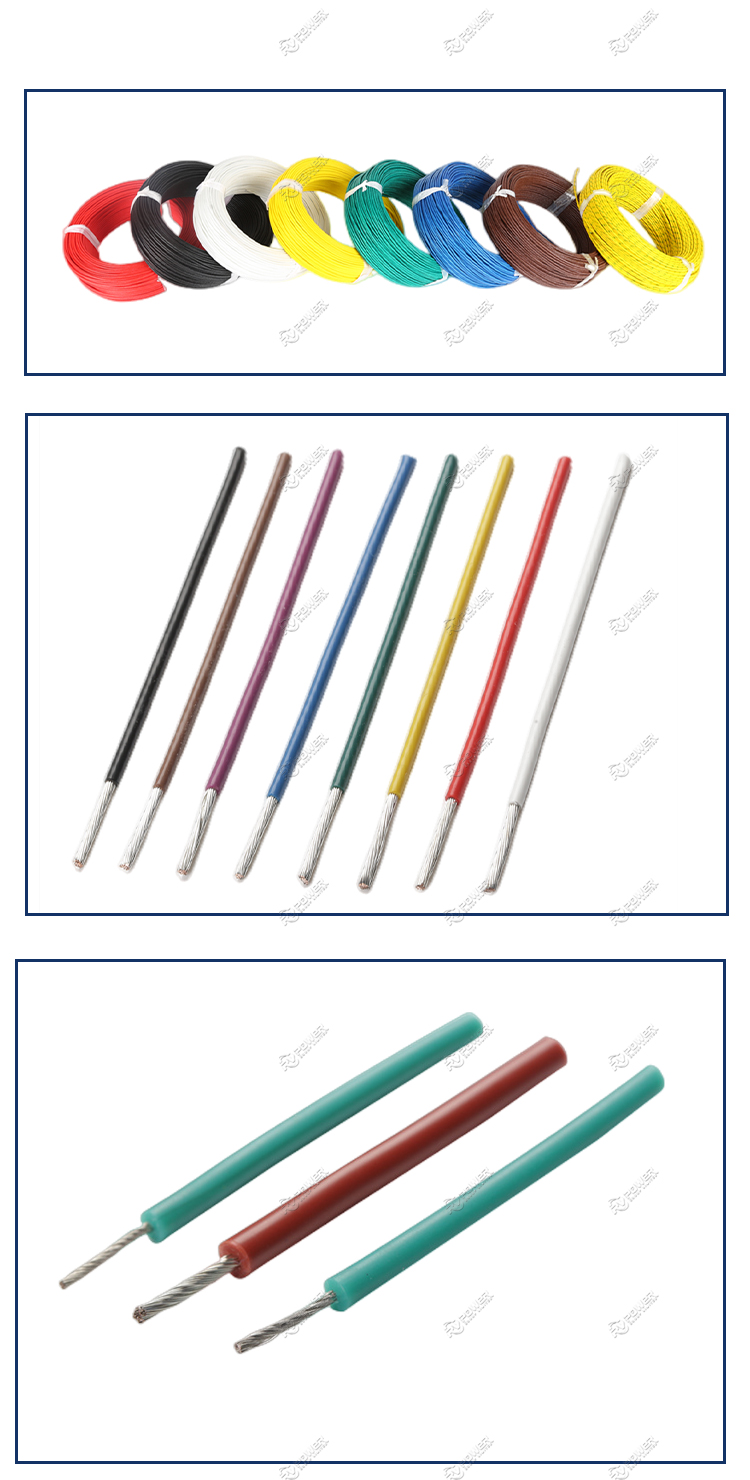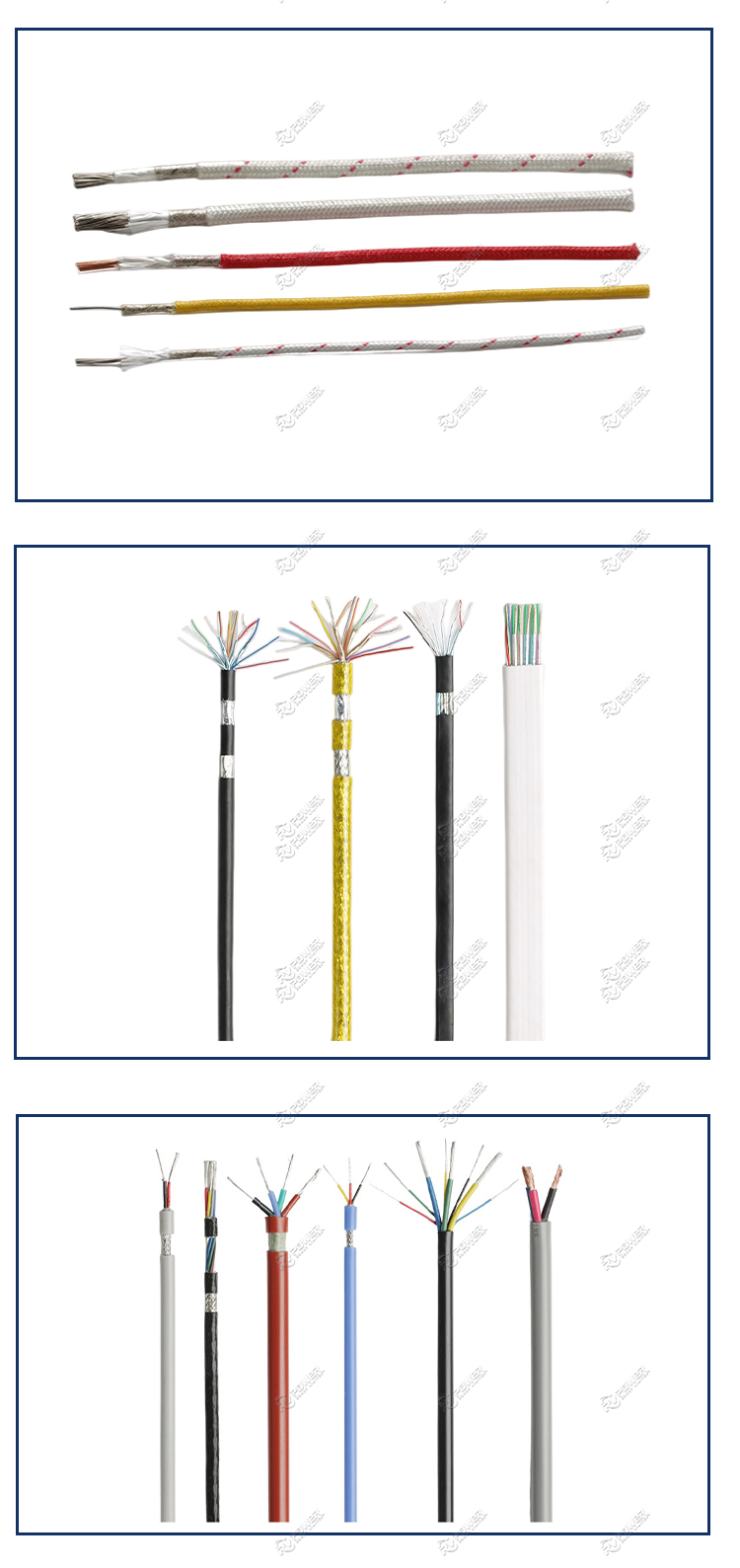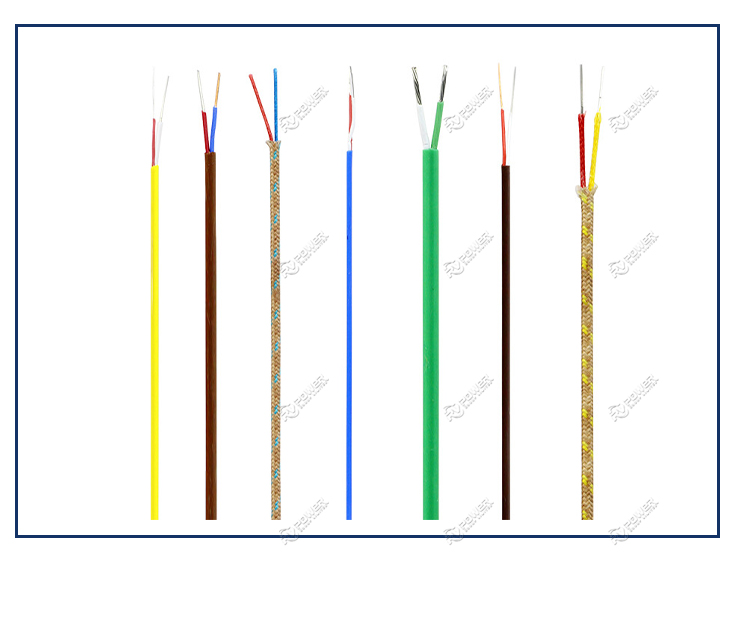

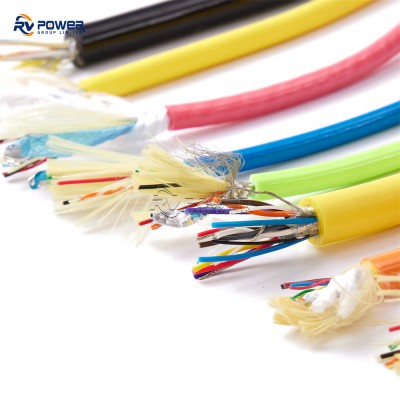
High temperature cable with silicone (to 180C), PTFE (to 260C), or glass-fibre (to 400C) insulation. For industrial furnaces, ovens, automotive engine bays, HVAC, and aerospace high-heat wiring.
High temperature cables are required wherever standard PVC or rubber insulated cables would soften, melt, or degrade — in close proximity to furnaces, kilns, ovens, engine exhausts, industrial heating elements, and any application where ambient or radiated temperature exceeds 90°C. Three insulation systems cover the full range of industrial high-temperature requirements: silicone rubber for continuous flexibility at elevated temperature; PTFE for chemical resistance combined with extreme temperature; and glass-fibre braid for the very highest temperatures where polymer insulation is not viable.
Tinned or nickel-plated copper conductors are used throughout — bare copper oxidises rapidly at elevated temperatures, increasing resistance and generating heat at connections that can cause premature cable failure. Tinned copper is suitable to 150°C; nickel-plated copper is used for PTFE and glass-fibre cables operating above 200°C.
| Parameter | Silicone | PTFE | Glass Fibre |
|---|---|---|---|
| Max Continuous Temp | +180°C | +260°C | +400°C |
| Min Flex Temp | −60°C | −70°C | +0°C (static) |
| Rated Voltage | 300V – 0.6/1kV | 300V | 300V |
| Conductor | Tinned Cu | Nickel-plated Cu | Nickel-plated Cu |
| Flexibility | Excellent | Good | Limited |
| Chemical Resistance | Good | Excellent | Moderate |
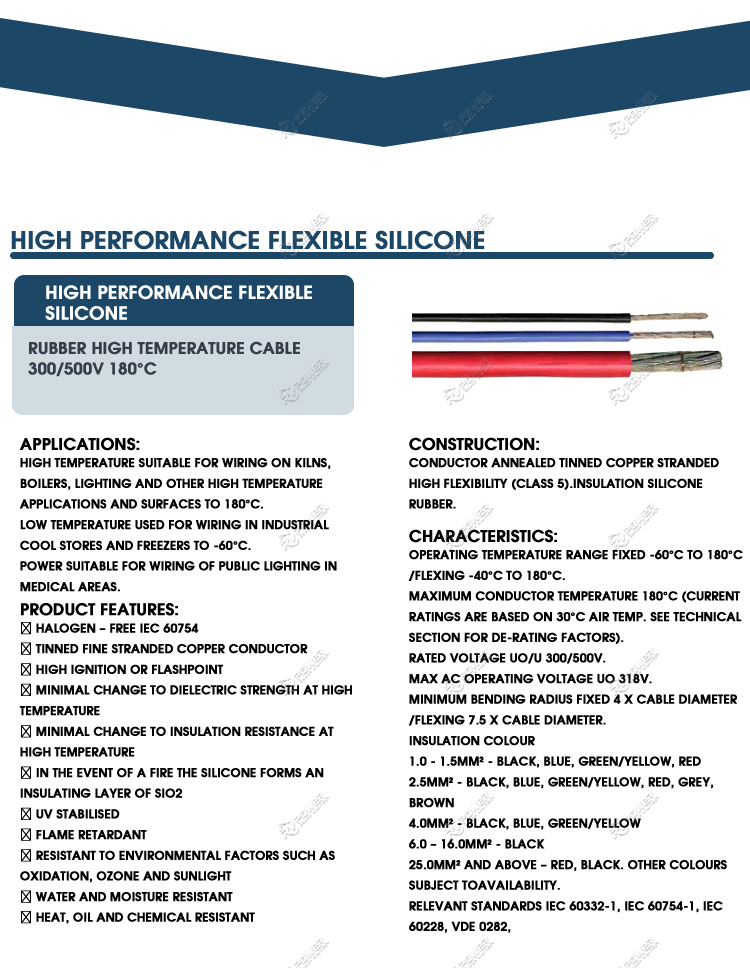
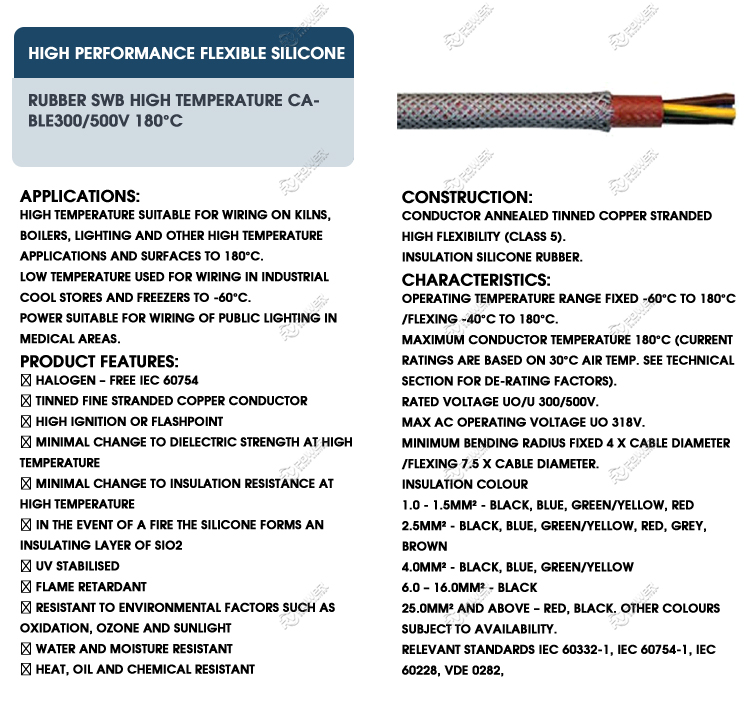
If the cable needs to flex in service at high temperature — sensor leads on moving equipment, oven door hinges, appliance internal wiring — silicone is the only insulation that maintains full flexibility from −60°C to +180°C without becoming brittle or taking a permanent set.
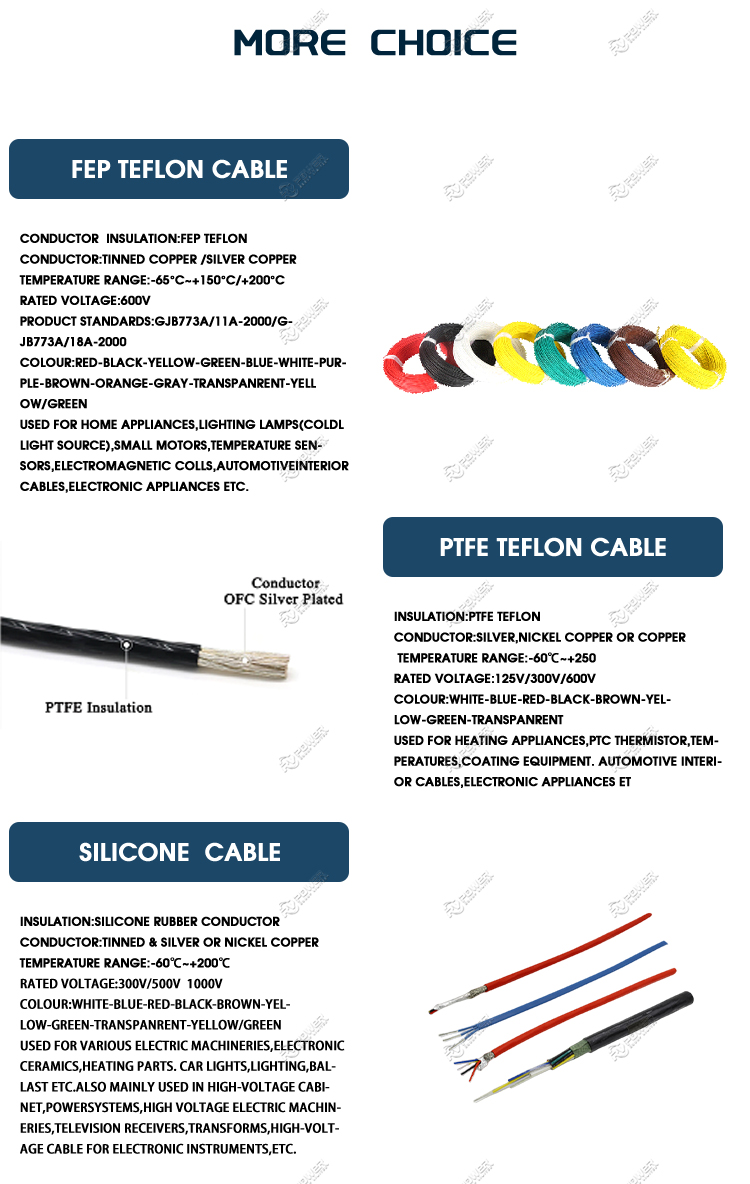
PTFE is the choice where the cable contacts aggressive chemicals as well as high temperature — chemical processing plants, laboratory equipment, and medical sterilisation equipment. PTFE is inert to virtually all chemicals and solvents at temperatures up to 260°C.
Above 260°C, all polymer insulations begin to degrade. Glass-fibre braid insulation is the only viable option for wiring inside furnaces, kilns, and high-temperature zones where ambient temperature exceeds the limit of any organic polymer insulation system.